An overflow drain Cranberry Township, PA homeowners rely on sits at the bottom of a window well, and when it clogs or fails, the next heavy rain turns that well into a bathtub against your foundation. Most homeowners never think about this drain until water is already pooling against the glass. Here's what actually causes it, what it costs to fix, and when the problem is bigger than the drain itself.
In our service calls across Cranberry Township, the majority of window well flooding complaints we diagnose trace back to compacted gravel or a buried drain opening, not a broken pipe. That distinction matters because it changes whether you're looking at a same-day fix or a full excavation.
What Is a Window Well Overflow Drain?
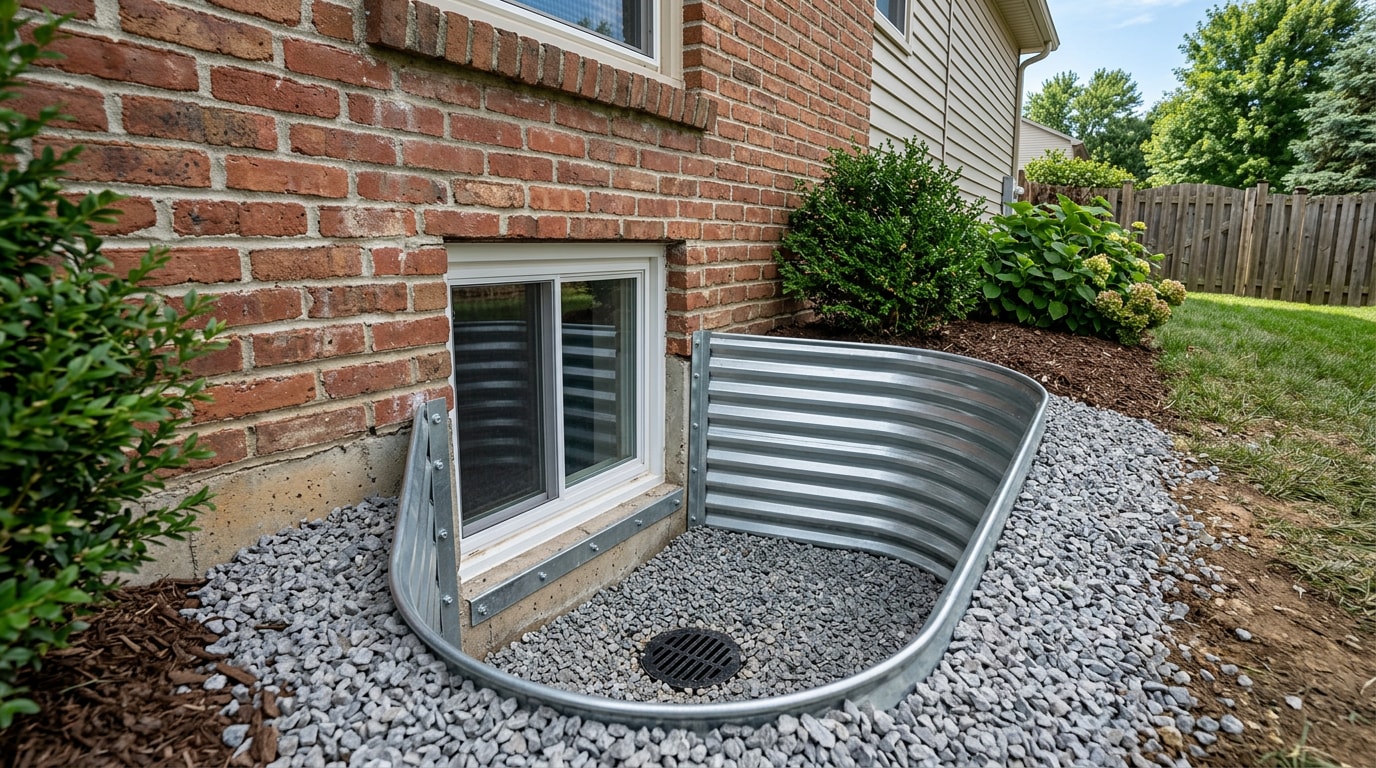
A window well overflow drain is the small outlet at the base of a window well that channels rain and groundwater away from a basement window before water rises high enough to leak indoors. It depends on a gravel bed and correct surrounding grade to keep the well from filling like a bucket during a storm.
The well itself does two jobs. It lets light into a basement window, and it holds back soil pressed against the foundation wall. Without a working drain, that second job fails fast, which is why a drain inspection is usually the first step before any basement water diagnosis.
Why Window Wells Overflow in Cranberry Township
Window wells rarely fail for just one reason. Most overflow problems trace back to one of five issues, and local soil conditions make all five worse than they'd be elsewhere.
| Cause | What's Happening | Typical Fix |
|---|---|---|
| Compacted gravel | Fine soil particles fill the gaps, so water can't pass through to the drain | Remove and replace gravel bed |
| Clogged drain opening | Leaves, dirt, or debris block the outlet | Clear drain, add a cover |
| Poor grading | Ground slopes toward the well instead of away | Regrade soil around the well |
| Undersized drain | Drain can't handle the well's catchment volume | Install larger drain or tie into perimeter system |
| Separated liner | Well liner pulls away from the foundation wall | Reseal or replace the well |
Butler County's clay-heavy soil compounds these issues. Clay drains slowly to begin with, and Western Pennsylvania's winter freeze-thaw cycles shift soil and gravel around the well each season, loosening connections over just a few years. That's a big part of why a drain that worked fine for a decade can suddenly start overflowing every spring.
Clearing a clogged drain is typically the cheapest fix, often running a few hundred dollars. Installing a complete overflow drain system with proper gravel backfill and a tie-in to the home's foundation drainage is a bigger job, often landing in the low thousands depending on excavation depth and access.
If your window well is holding water after every storm, schedule a free estimate before the next spring thaw makes the problem worse.
How Foundation Water Protection Starts at the Window Well
Foundation water protection effectively starts at the window well, not at the basement wall. A properly working overflow drain intercepts rain and runoff before it saturates the soil pressed against the foundation. Hydrostatic pressure is the force that drives water through cracks in a foundation and into a basement or crawlspace , and a saturated window well is one of the easiest ways to build that pressure right next to a foundation wall.
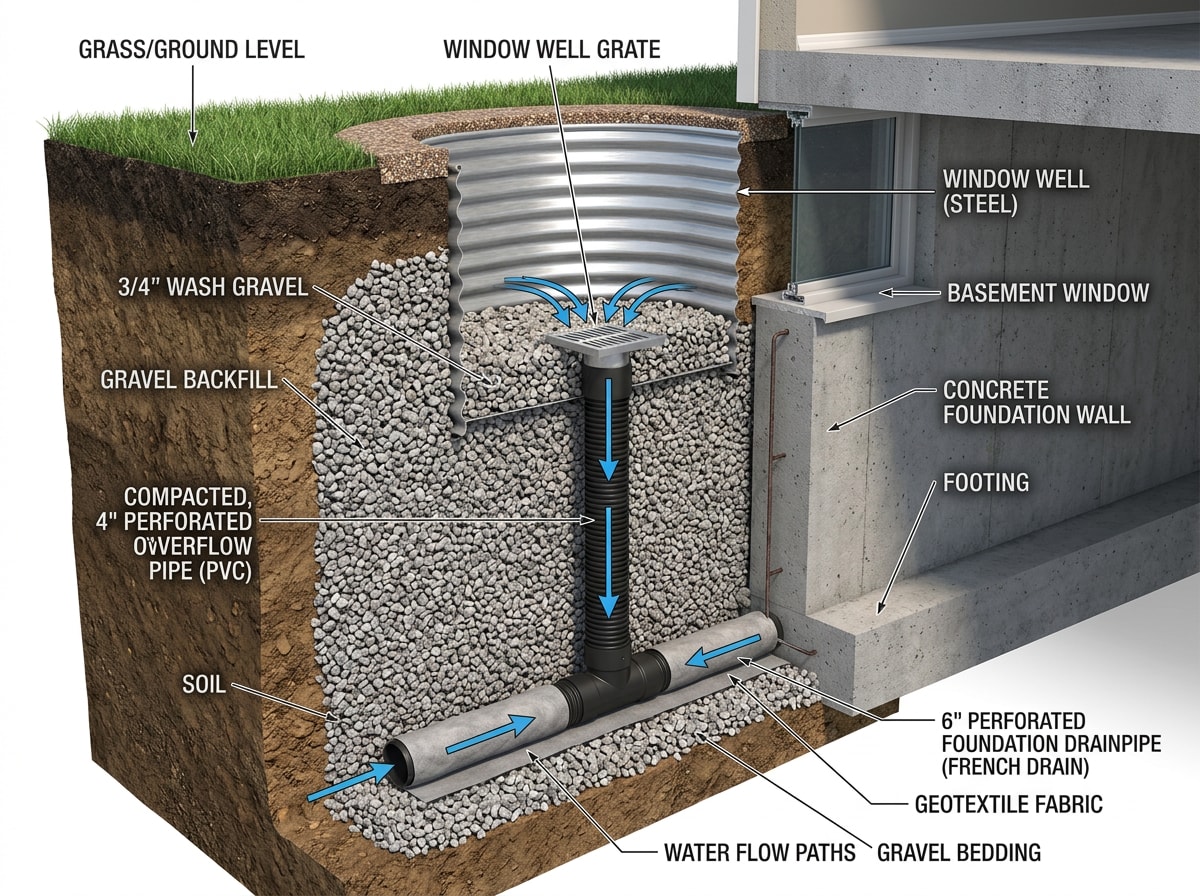
That interception only works as a system. Drain tile, or perforated plastic drainage pipe, installed along the exterior or interior of basement and crawlspace footings provides drainage around the foundation , and a window well drain works best when it ties into that larger system rather than draining to a dead end. A properly installed and functioning footing drain system keeps water moving away from the foundation to help maintain a dry basement or crawlspace . Pairing the window well drain with a sump pump turns a single point of failure into real, redundant protection.
Fixing a Window Well Overflow Drain
Repairs generally fall into one of two scopes: clearing or rebuilding an existing drain, or installing a complete system from scratch. Both rely on correct drain placement and the right gravel backfill.
Clearing or Replacing the Drain
The process starts by excavating around the window well to expose the base, then placing (or re-exposing) a drain at the lowest point so water has somewhere to go instead of pooling against the glass. Gravel backfill goes in around and above the drain, letting water pass through while keeping soil from clogging the opening again.
Tying Into the Perimeter Drainage System
A more complete repair ties the window well drain into the home's perimeter drainage system, sometimes through a drywell or a drainage channel cut through the foundation wall. IRC Section R310.2.3.2 requires window wells to be designed for proper drainage by connecting to the building's foundation drainage system on homes with below-grade egress windows. Contractors often use a manufactured drainage duct to create a clean, sealed connection between the well and the perimeter system, rather than relying on loose gravel alone, so the connection stays consistent even as soil shifts with the seasons.
Maintenance Tips for Window Wells
Routine maintenance is the cheapest way to avoid an overflow drain failure. A few simple habits catch most problems before they become a flooded basement:
- Clear leaves, dirt, and debris from the well a few times a year, especially after storms and in fall.
- Check that the drain opening is visible and not buried under settled gravel or silt.
- Keep the gravel bed loose enough to let water pass freely instead of packing down into a solid mass.
- Confirm downspouts discharge well away from the well, not toward it.
- Walk the grade around the well after heavy rain to spot new low spots forming.
If you're also dealing with overflow at a tub or fixture rather than outside the foundation, our guide to tub overflow in Cranberry Township covers that separate (and more common) indoor issue.
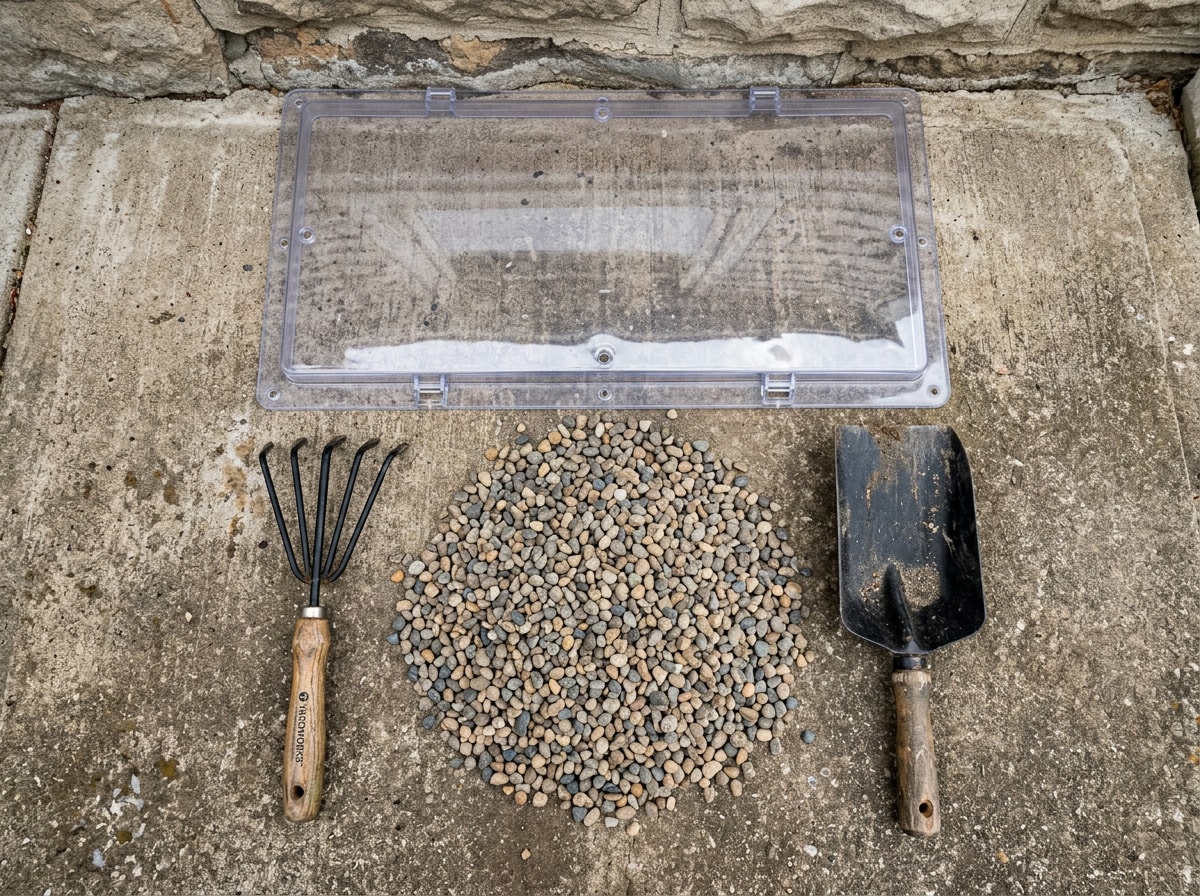
Choosing the Right Window Well and Drain for Your Home
The right window well is sized to the window itself, with enough clearance to meet local egress requirements if the basement is a living space. The horizontal area of the window well must be not less than 9 square feet, with a horizontal projection and width of not less than 36 inches for any window well serving as an emergency escape opening.
Material matters too. Galvanized steel and heavy-duty polyethylene resist corrosion and cracking better than older thin-gauge metal wells. Matching the well and drain combination to your home's actual drainage load, rather than a generic size, is what keeps the system working through Cranberry Township's wetter seasons.
Homeowners outside the immediate area can check our coverage in Cranberry Township or visit our homepage for the full list of service areas and plumbing work we handle.
FAQ
Will fixing my window well drain solve my wet basement completely?
Not necessarily. A window well drain addresses one entry point. Foundation cracks, floor-wall joint seepage, and a high water table are separate pathways that need a broader waterproofing plan to fully resolve a wet basement.
What size window well and drain do I need for my basement?
Sizing depends on the window's dimensions and, for egress windows, on local building code. Any well serving an emergency escape window needs at least 9 square feet of horizontal area with a minimum 36-inch projection and width, and the drain needs to handle whatever water volume that well collects.
Can I clear a clogged window well drain myself?
Yes, in many cases. Removing debris and loose gravel from the drain opening is simple DIY work. If water still pools after clearing it, the drain itself is likely undersized, disconnected, or buried too deep to clear by hand, and that calls for a professional look.
Does homeowners insurance cover window well flooding?
It depends on the policy and the cause. Sudden water damage is sometimes covered, but damage from gradual seepage or lack of maintenance often isn't. Check your policy's water damage and sump pump overflow language, or ask your agent directly before assuming coverage either way.
How often should a window well drain be inspected?
Twice a year is a reasonable baseline, once in fall before leaves pile up and once in spring after snowmelt. Homes with mature trees nearby or heavy clay soil often need a mid-season check too.
Can window wells increase the value of my property?
A well-maintained, properly draining window well can be a modest selling point. It signals to buyers that the basement has active flood protection rather than a neglected water-intrusion risk waiting to surface.