A tub overflow in Cranberry Township, PA usually starts small: a faint ring on the ceiling below the bathroom, or a soft spot in the flooring near the tub. In the homes we service across Butler County, the cause is almost always a single inexpensive gasket, not a cracked pipe behind the wall. This guide walks through how the overflow assembly works, how to confirm where the water is really coming from, and exactly when it's time to stop testing and call a plumber.
What Is a Bathtub Overflow Drain and How Does It Work?
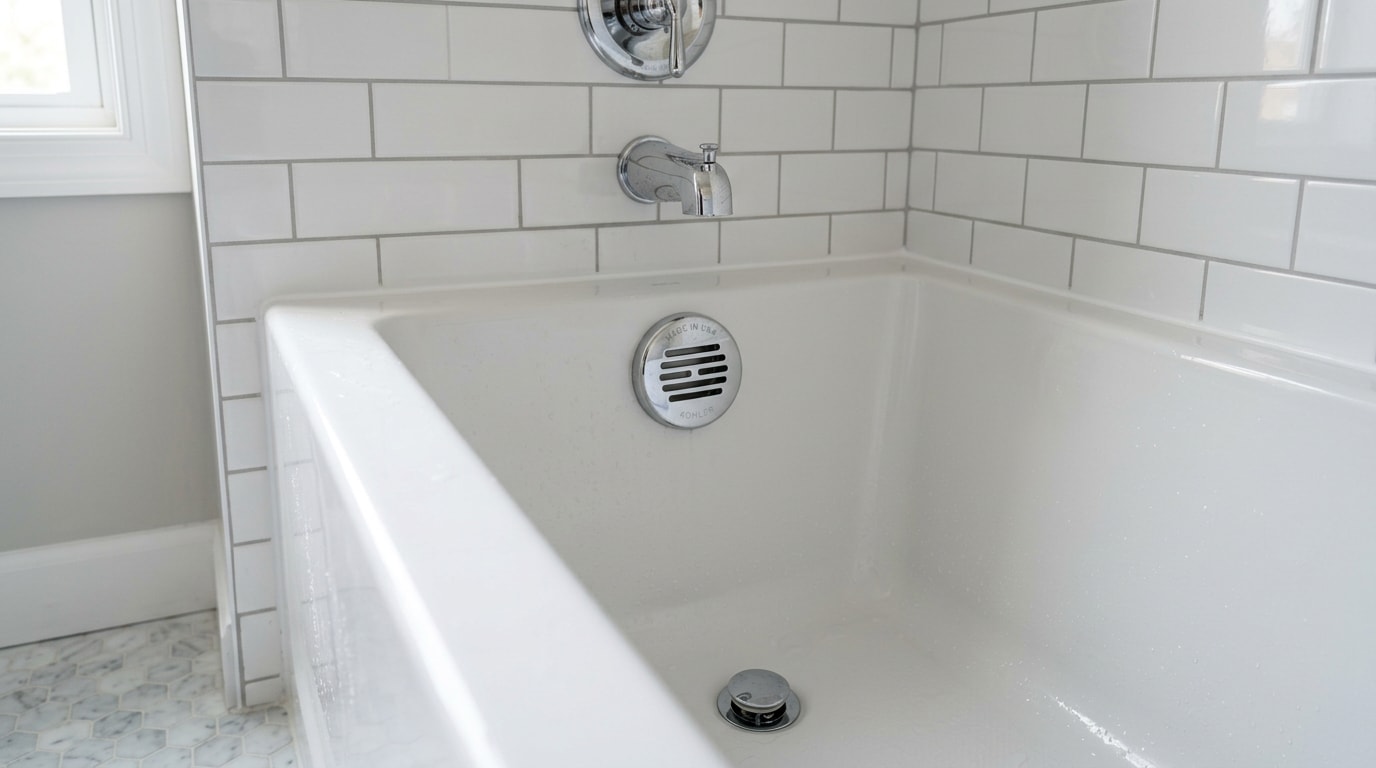
A bathtub overflow drain is a safety opening on the tub's front wall that catches excess water before it spills onto the floor. It connects by a short pipe to the main drain line, working alongside an overflow gasket and the waste-and-overflow assembly to redirect water back into the plumbing system instead of over the tub's edge.
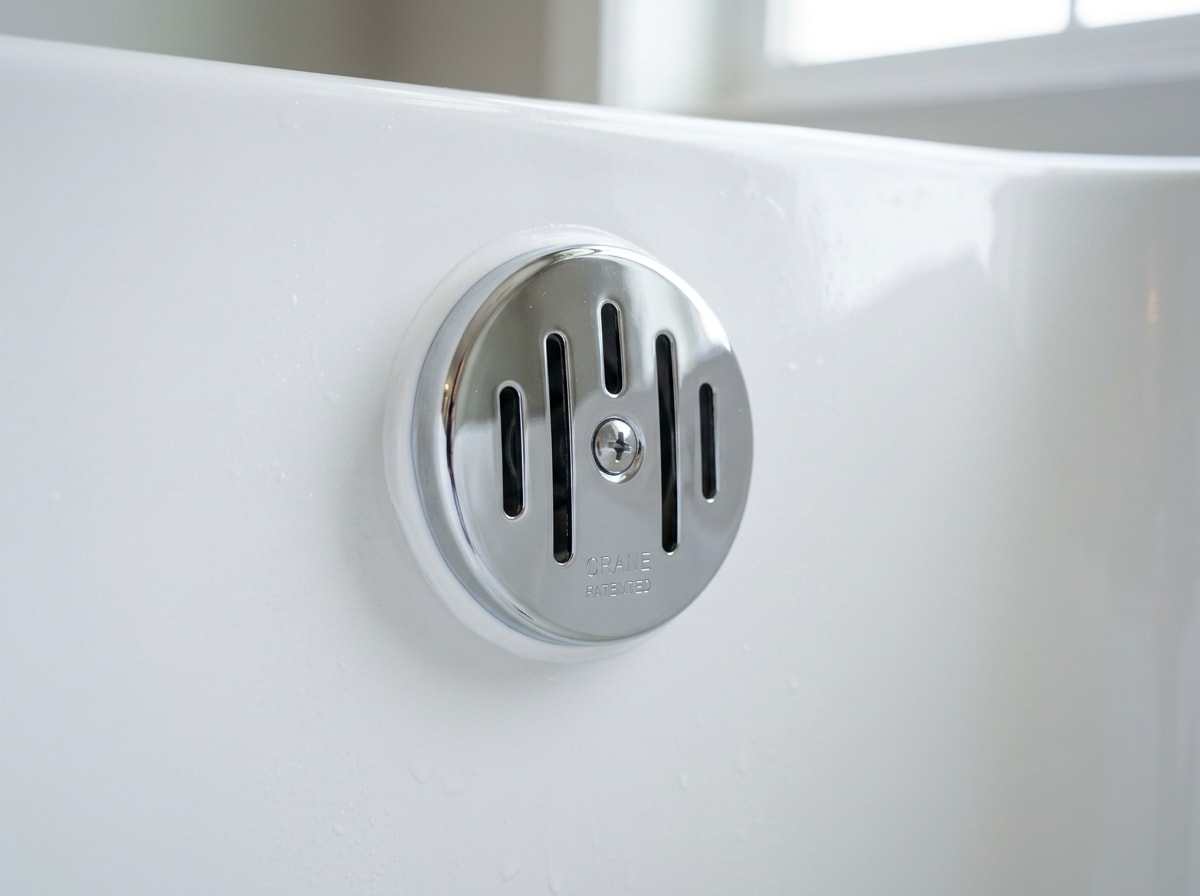
The overflow plate, the round or oval cover you see on the tub wall, hides a gasket that seals the connection between the tub and the overflow tube. Most overflow openings sit a few inches above the main drain, and unlike the drain you use daily, this opening is designed to stay dry most of the time.
Overflow design is not just a manufacturer preference. The 2024 International Plumbing Code update to Section 407.2 added language clarifying that standing water is only permitted in the overflow when the fixture is filled to that point of overflow and that the overflow does not bypass the trap of the bathtub . That's the technical reason a leak here behaves so differently from a leak at the main drain shoe.
Signs Your Bathtub Overflow Is Leaking
Watch for these signals:
- A ceiling stain directly below the bathroom
- Damp or soft flooring near the tub
- A musty odor that won't clear
- Overflow plate screws that feel loose when checked by hand
- Peeling paint or bubbling drywall on the ceiling below (a later-stage sign)
One detail we look for on every service call: the leak tends to show up only after a deep bath, not after a quick shower. That timing is a strong clue the overflow, not the drain shoe or supply lines, is the source. If water only appears downstairs on bath nights, it almost always traces back to this assembly.
How to Test for a Bathtub Overflow Leak
Fill the tub with a few inches of water above the overflow plate, then check an access panel or the ceiling below for fresh moisture. This isolates the overflow from other possible leak sources before you touch a single screw.
Let the water sit for 15 to 20 minutes, since slow seepage can take time to show. Skipping this step is how homeowners end up replacing a gasket that was never the problem, while the real leak at the drain shoe keeps going.
What Causes a Bathtub Overflow Leak
A short list of issues accounts for nearly every overflow leak:
- Worn gasket – shrunk, hardened, or cracked with age, breaking the watertight seal between the plate and tub wall. This is the most common cause by far.
- Loose overflow plate screws – vibration and age gradually back them out, letting water seep behind the plate.
- Misaligned plate – often left over from a previous repair.
- Cracked overflow pipe – lets water escape behind the wall before it reaches the main drain line.
- High water pressure – can push past an otherwise healthy gasket during a deep fill.
Knowing which one you're dealing with determines whether a gasket swap fixes things or whether you're looking at a bigger repair.
Tools and Parts You'll Need for the Repair
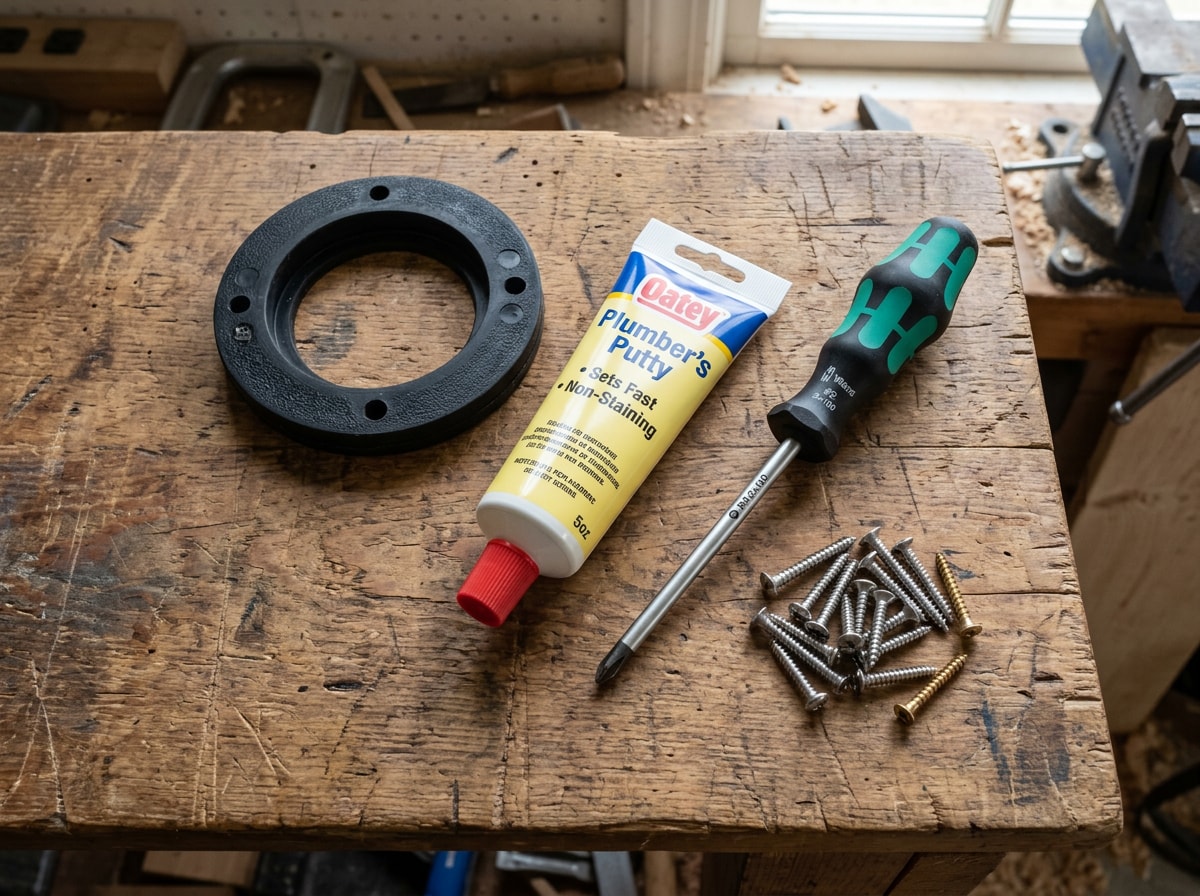
Most overflow leak repairs require only a few items:
- Phillips screwdriver
- Replacement overflow gasket
- Plumber's putty
- Replacement screws, if the originals are rusted or stripped
An overflow gasket kit typically costs under $15 and includes the gasket, a new plate, and screws. If drywall needs to come down for access, or a corroded pipe needs replacing, parts cost more, but the gasket itself remains one of the cheapest fixes in plumbing.
Step-by-Step Guide to Fix a Bathtub Overflow Leak
Before grabbing tools, figure out which repair you actually need:
| Situation | Likely Fix | Typical Time |
|---|---|---|
| Leak only shows up after deep baths; plate screws are intact | Replace the gasket | 30–45 minutes |
| Leak continues after a new gasket, or you see rust/cracks on the pipe | Replace the full assembly | 2–3 hours |
| Water is already reaching framing or subfloor | Pause and address moisture before resealing anything | Varies |
For tub repairs beyond a gasket swap, many Cranberry Township homeowners bring in a professional tub repair service rather than reopening walls themselves.
Remove the Overflow Cover Plate
Unscrew the overflow cover screws and set them aside. Check the caulk line around the plate for cracking, then gently pull the plate and attached linkage out of the opening to inspect the old gasket.
Reinstall the Overflow Plate
Seat the new gasket evenly around the opening before pressing the plate back into place. Tighten the screws in a crisscross pattern, snug but not overtightened. Compressing the gasket too hard can cause it to fail sooner.
Replacing the Entire Overflow Assembly
Sometimes a new gasket isn't enough. If the overflow tube itself is corroded, or a slip-nut joint keeps weeping water despite a fresh seal, it's time to replace the entire waste-and-overflow kit rather than patching one component.
Material matters here. ABS and PVC overflow tube parts are lightweight and affordable, while brass assemblies tend to hold up longer under repeated heat and pressure cycles, though they cost more upfront. A full assembly swap usually means disconnecting the drain shoe and working inside the wall cavity, which is why many homeowners bring in a licensed plumbing repair service at this stage instead of improvising.
Hidden Damage and Problems Caused by an Overflow Leak
A slow overflow leak left unaddressed for months can cause more than cosmetic staining. Sagging drywall, a bouncy or soft subfloor near the tub, and mold growth behind the wall are all common outcomes.
Moisture trapped behind tile or drywall creates ideal mold conditions. The EPA notes that it is important to dry water-damaged areas and items within 24-48 hours to prevent mold growth , which is a narrow window for a leak that's hidden inside a wall cavity. Fixture hardware, like the overflow plate's screws, also corrodes faster in a consistently damp environment, compounding the original problem. Catching a slow leak early, with a leak detection check if you're unsure of the source, is far cheaper than repairing what it leaves behind.
Repair Costs for a Bathtub Overflow Leak
A DIY gasket replacement usually costs under $20 in parts. A professional service call for the same repair typically runs in the $150–$350 range, depending on access and labor time, though pricing varies by region and the plumber's diagnostic approach.
Costs climb quickly once drywall, subfloor, or mold remediation enter the picture. About one in 60 insured homes has a property damage claim caused by water damage or freezing , and homeowners who filed one between 2019 and 2023 received an average payout of $15,400. That gap between a $15 gasket and a five-figure claim is the real argument for testing and fixing an overflow leak the moment you notice signs.
How to Prevent Future Overflow Leaks
Simple habits go a long way:
- Avoid routinely filling the tub above the overflow plate
- Inspect the gasket once or twice a year
- Re-caulk around the plate's edge whenever the seal starts to look worn or cracked
- Apply a flexible waterproofing membrane or sealant behind the tub wall, around the overflow fitting, as a secondary barrier
- Consider an overflow drain cover with a built-in backup seal during your next bathroom update
When to Call a Plumber
Some situations call for professional help rather than another DIY attempt:
- The leak persists after a gasket replacement
- You spot visible pipe corrosion
- The drywall or subfloor already feels soft
- The overflow pipe isn't reachable without cutting into a wall
Homeowners dealing with a stubborn or hard-to-reach tub overflow in Cranberry Township, PA can also read our guide on bathroom plumbing signs and services for a broader look at when bathroom fixtures need professional attention. For a diagnostic visit, contact our team directly. Professional overflow repair is often the faster, lower-risk route once a leak has gone beyond a simple gasket swap, and you can see our full range of services on the homepage.
FAQ
Why Does My Ceiling Leak Only After Someone Takes a Bath?
That pattern points to the overflow gasket, since it only gets wet once water rises to the overflow opening during a deep fill, not during a typical shower.
Can a Bathtub Overflow Gasket Be Replaced Without an Access Panel?
Yes, in most cases. The gasket and plate are replaced from the tub side, so wall access is usually only needed for pipe or assembly repairs.
Does a Home Inspector Test the Bathtub Overflow?
Standard home inspections typically check the overflow plate visually but don't always run a full overflow fill test, so a hidden leak can go unnoticed.
Should I Use Plumber's Putty with My New Gasket?
Plumber's putty can add a secondary seal around the plate edge, though many gasket kits are designed to seal fully on their own without it.
Is a Leaking Tub Overflow an Emergency?
Usually not an urgent, call-right-now emergency like a burst pipe, but it shouldn't wait either. A slow overflow leak keeps damaging drywall and framing every time the tub is filled, so treat it as a near-term repair, not something to put off for months.
Can I Still Use the Tub While the Overflow Is Leaking?
You can, but keep the water level below the overflow plate until it's fixed. Filling the tub higher than the plate is exactly what triggers the leak, so a lower fill level buys you time without adding to the damage.
If the problem turns out to be bigger than a gasket, our contact page is the fastest way to get a Cranberry Township plumber out to take a look before the damage spreads.