Hydrojet plumbing in Valencia, PA clears grease, roots, sediment, and scale from clogged pipes using nothing but pressurized water, no chemicals, no digging, no guesswork. If you've snaked the same drain three times this year and it's already slow again, hydro jetting is usually the fix that actually sticks. Here's what the process costs in 2026, how it stacks up against snaking and chemical cleaners, and when it's the wrong tool for the job.
What Is Hydrojet Plumbing?
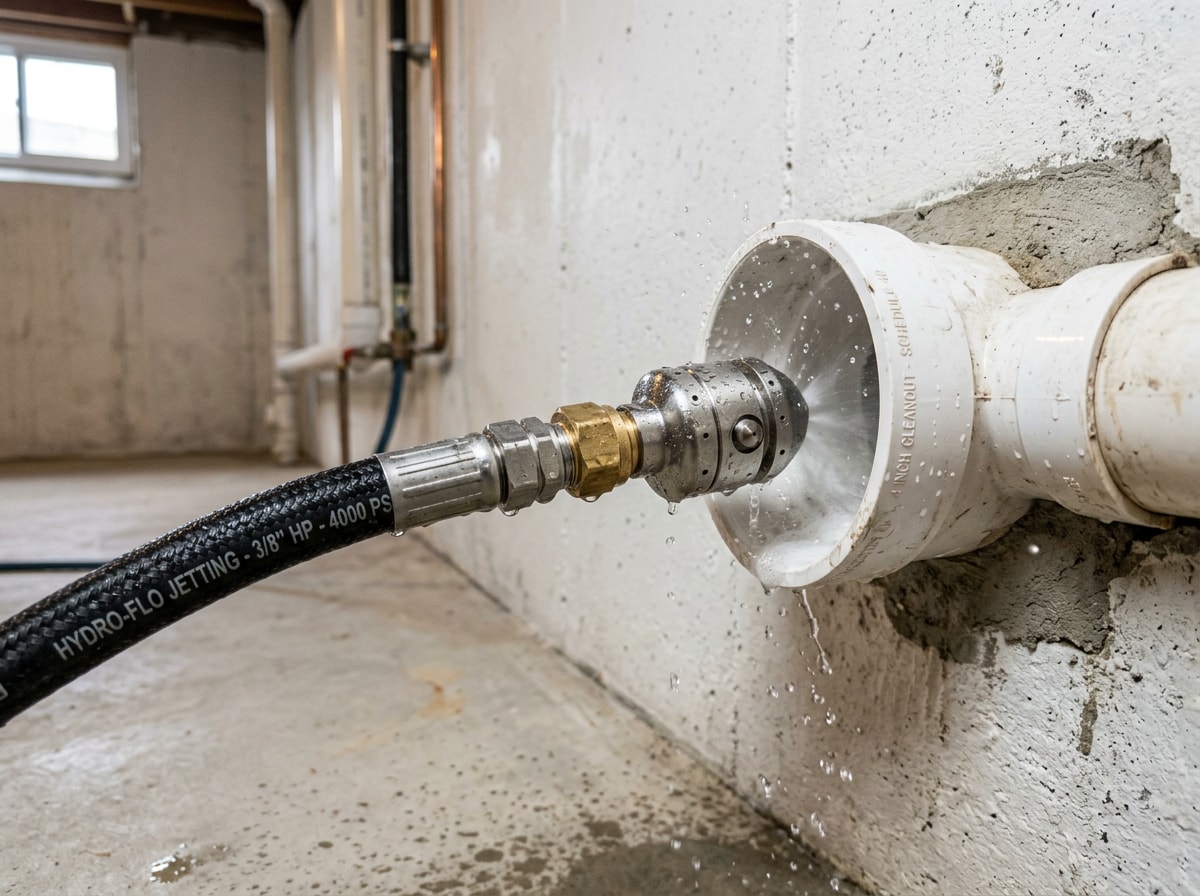
Hydro jetting uses a high-pressure water hose and rotating nozzle to scour the inside of a pipe clean, rather than just punching a hole through a clog. Hydro jetting uses a specialized hose with a nozzle that blasts water at incredibly high pressures, and when a plumber performs hydro jetting drain cleaning, they insert this hose into the clogged pipe, with water pressure that can reach up to 4,000 psi, strong enough to cut through tree roots, grease, and even mineral deposits that can accumulate over time.
Local plumbers use "hydrojet plumbing" and "hydro jetting" interchangeably, so don't be surprised if your technician mixes the two terms during an estimate. On service calls around Valencia, we see the same pattern over and over: a homeowner has had a drain snaked two or three times in a year, and it's already sluggish again. That's usually the sign the pipe walls themselves need scouring, not just the clog punched through.
How Hydro Jetting Works
The process follows a predictable sequence on almost every job:
- Camera inspection first.
Hydro jetting starts with a video camera inspection to find out what's blocking your pipe. This step confirms the clog's location and rules out a collapsed or structurally damaged section before anyone applies pressure.
- Access through a cleanout.
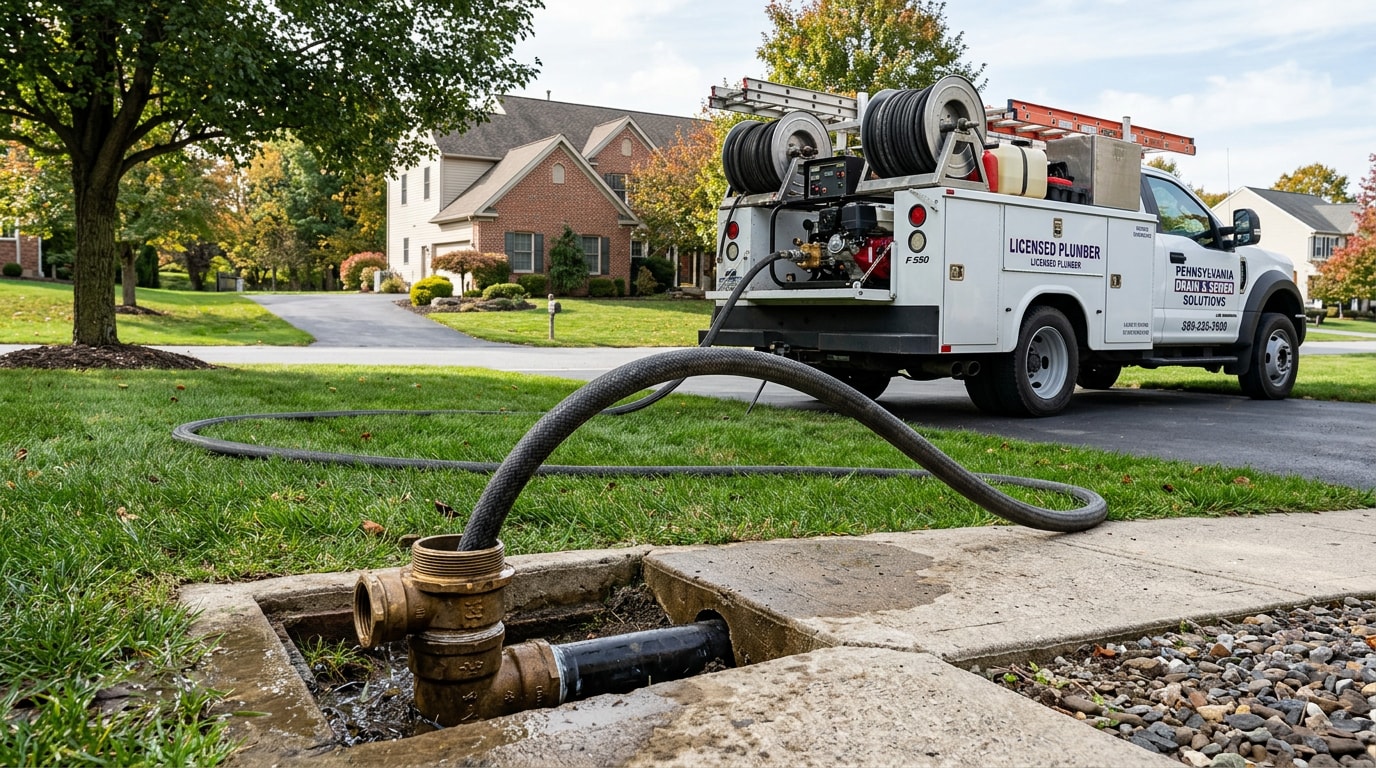
Hydrojet or hydro-jetting consists of a high-pressure hose with a specialized nozzle connected to a machine that pressurizes the water, and this is usually done through a clean-out, an opening that allows plumbers to clean out clogs.
- Jetting the full length of the line. The nozzle pulls itself through the pipe, blasting the walls clean from the inside out rather than just drilling a path through the blockage.
- Final camera check. A second pass confirms the line is clear and flags any cracks or joint separation that cleaning exposed but didn't cause.
Signs You Need Hydro Jetting
Not every clog needs this level of force, but a few symptoms point straight to it:
- Slow drains that come back within days of snaking
- Gurgling sounds from toilets when the washing machine drains
- Recurring backups in the same fixture every few months
- A persistent sewer odor near a floor drain or cleanout
- Sewage backing up from a toilet, tub, or sink, which is a same-day emergency, not a wait-and-see problem
If your Valencia home was built before the 1980s, there's a good chance the lateral line running to the street is clay or cast iron, materials that are especially prone to root intrusion and joint separation over time. That makes recurring clogs more common here than in newer developments with PVC laterals, and it's one reason a camera inspection before jetting matters more in older neighborhoods than it does in a subdivision built in the last decade.
Raw sewage exposure is a genuine health hazard, not just an inconvenience. Sanitary sewer overflows can contaminate water and back up into homes, causing property damage and threatening public health. If you're seeing backups rather than just slow drains, treat it as an emergency and call a 24/7 emergency plumber rather than attempting a DIY fix.
What Does Hydrojet Plumbing Cost in 2026?
Pricing depends on pipe length, clog severity, cleanout access, and whether the job is residential or commercial. Based on national 2026 pricing data, here's a realistic range:
| Job Type | Typical 2026 Cost Range |
|---|---|
| Single fixture or branch line | $185 – $600 |
| Standard residential main sewer line | $350 – $900 |
| Root intrusion or severe blockage | $600 – $1,600 |
| Commercial line or grease trap | $950 – $2,500+ |
| Emergency / after-hours service | Add $100 – $400 |
Hydro jetting a main sewer line costs $600 to $1,400 on average, according to Angi's 2026 hydro jetting cost data, with a single fixture line running less and a restaurant grease line running more.
Smaller residential jobs often run from $388 for simple lines up to $866 for more complex or extensive work.
Labor costs reflect the same skilled-trade wage market tracked nationally. The median annual wage for plumbers, pipefitters, and steamfitters was $63,800 in May 2025 , which helps explain why flat-rate jetting jobs cost more than a basic snaking call but less than digging up and replacing a line. For an exact number on your home, request a free estimate before booking rather than relying on a national average.
Hydro Jetting vs. Snaking vs. Chemical Drain Cleaners
| Method | Typical Cost | Results Last | Pipe Safety |
|---|---|---|---|
| Snaking | Lower | Days to weeks | Safe, but limited cleaning |
| Chemical cleaners | Lowest | Days | Risky on older pipes |
| Hydro jetting | Moderate to higher | Months to years | Safe for most pipe materials when pre-inspected |
Snaking involves using a long, flexible metal rod to break up clogs, and while it's effective for minor blockages, it doesn't thoroughly clean the pipe walls, whereas hydro jetting removes all the debris, making it a more comprehensive solution for stubborn clogs.
Chemical cleaners can be harsh and damaging to pipes, pose environmental risks, and may not be practical for severe blockages, while hydro jetting uses only water, making it a safer and more effective alternative.
For ongoing clog issues, professional drain cleaning services can help determine which method actually fits your home instead of guessing.
Benefits of Hydro Jetting
- Clears grease, roots, sediment, hair, and scale in a single visit instead of repeat snaking trips
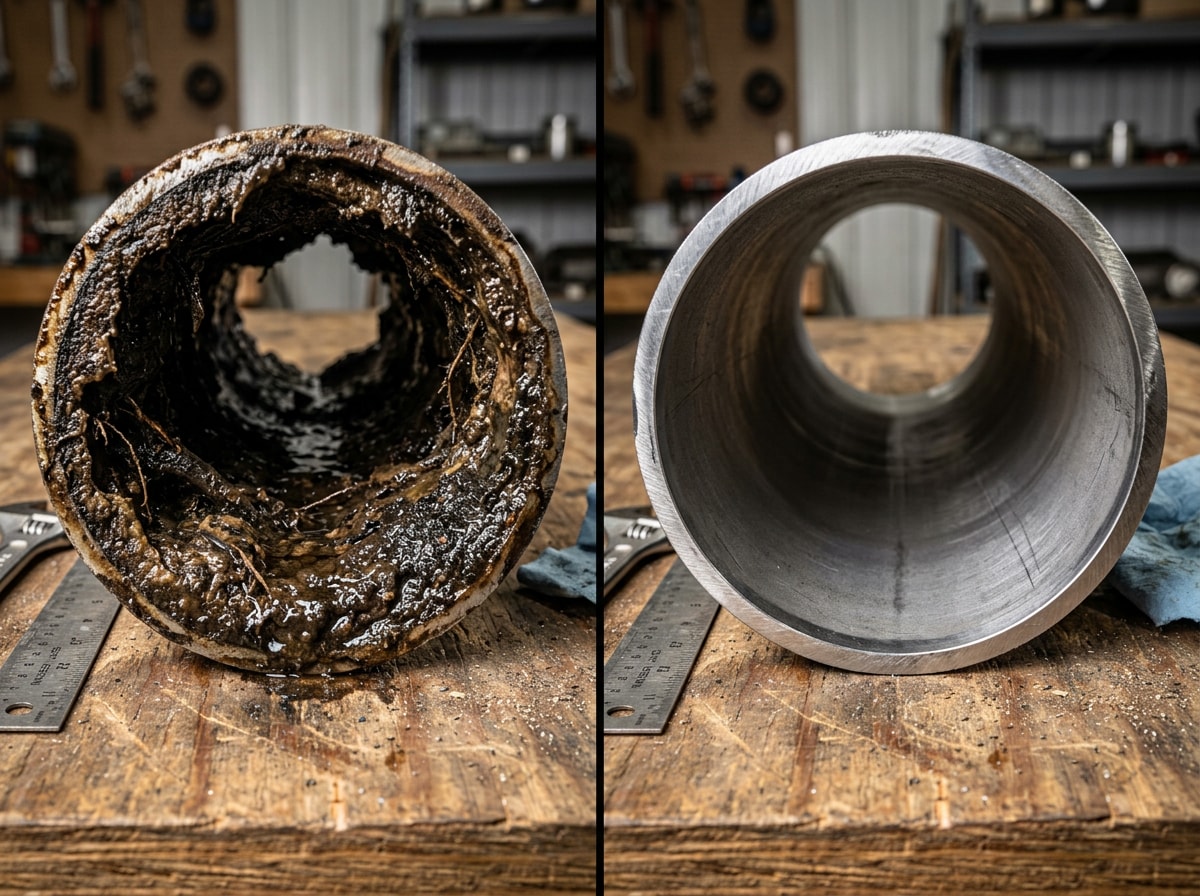
- Scours the entire pipe wall, not just a path through the clog, so buildup is slower to return
- Uses only water, no chemical runoff into your yard or the municipal sewer system
- Works on most pipe materials, including PVC and older cast iron, once a camera confirms the pipe can take the pressure
- Often cheaper over a few years than paying for repeat service calls on the same recurring clog
When Hydro Jetting Isn't the Right Fix
Hydro jetting isn't always the answer. A line with a collapsed section, a belly (low spot that holds water), or extensive structural cracking can get worse under high pressure, not better. Severe, longstanding tree root intrusion sometimes needs mechanical cutting or a section replaced before jetting is safe. Industry cleaning specifications classify blockages as light or heavy precisely because the amount of pressure and the nozzle type both need to match the pipe's actual condition. Heavy sewer cleaning covers removal of obstructions and settled deposits that exceed the percentage threshold set for light cleaning , which is why a pre-jetting camera inspection isn't optional on an older line. If your camera inspection turns up a damaged section, you're looking at sewer line repair or a sewer camera inspection first, not jetting.
If you're in Valencia, PA and dealing with a drain that keeps backing up no matter what you try, our hydro jetting service team can run the camera, confirm what's actually going on, and tell you honestly whether jetting, a clogged drain repair, or something more involved is the right call. If the issue turns out to be a fixture leak instead of a drain-line clog, our Valencia bathroom sink leak guide walks through how to tell the difference.
FAQ
Is Hydro Jetting Safe?
Yes, for most pipe materials. The pressure is strong enough to clear grease, roots, and scale but isn't strong enough to cut through sound PVC, copper, or cast iron. Older or already-cracked pipes need a camera inspection first so the technician can adjust pressure and nozzle choice accordingly.
How Effective Is Hydro Jetting?
Very. It scours the full diameter of the pipe rather than boring a single path through the clog, which is why it consistently outperforms snaking on grease buildup, long-term sediment, and root intrusion.
Is Hydrojetting Worth It?
In most cases, yes. Paying more upfront for jetting usually costs less over two or three years than paying for repeat snaking visits on the same recurring clog.
How Often Should You Hydro Jet Your Pipes?
Most homes do well with hydro jetting every 18 to 24 months, though older clay or cast-iron laterals and homes with mature trees near the sewer line may need it more often. A camera inspection can confirm the right interval for your specific line.
How Much Does Hydro Jetting Cost in Valencia, PA?
Expect $350 to $900 for a standard residential line and $600 to $1,600 or more for root intrusion or a severe blockage. Emergency or after-hours service typically adds $100 to $400. Get a free estimate for an exact number on your home.
Does Hydro Jetting Cost More for a Main Line Than a Single Drain?
Yes. A single fixture or branch line is a shorter, easier job and costs less than jetting a full main sewer line, which runs longer, often has heavier buildup, and may require root-cutting attachments.
Can Hydro Jetting Remove Tree Roots?
Yes, specialized hydro jetting nozzles can cut through small to medium tree roots and flush them out of the sewer line. Larger, well-established root masses sometimes need mechanical cutting first.
What's the Difference Between Hydro Jetting and Snaking?
Snaking punches a path through a clog with a metal cable. Hydro jetting blasts the entire pipe wall clean with pressurized water, which is why its results tend to last months to years instead of days to weeks.
---
Ready to stop snaking the same drain every few months? Visit Out of This World Plumbing Services or get a free estimate for hydro jetting in Valencia, PA, and get a straight answer on what your pipes actually need.