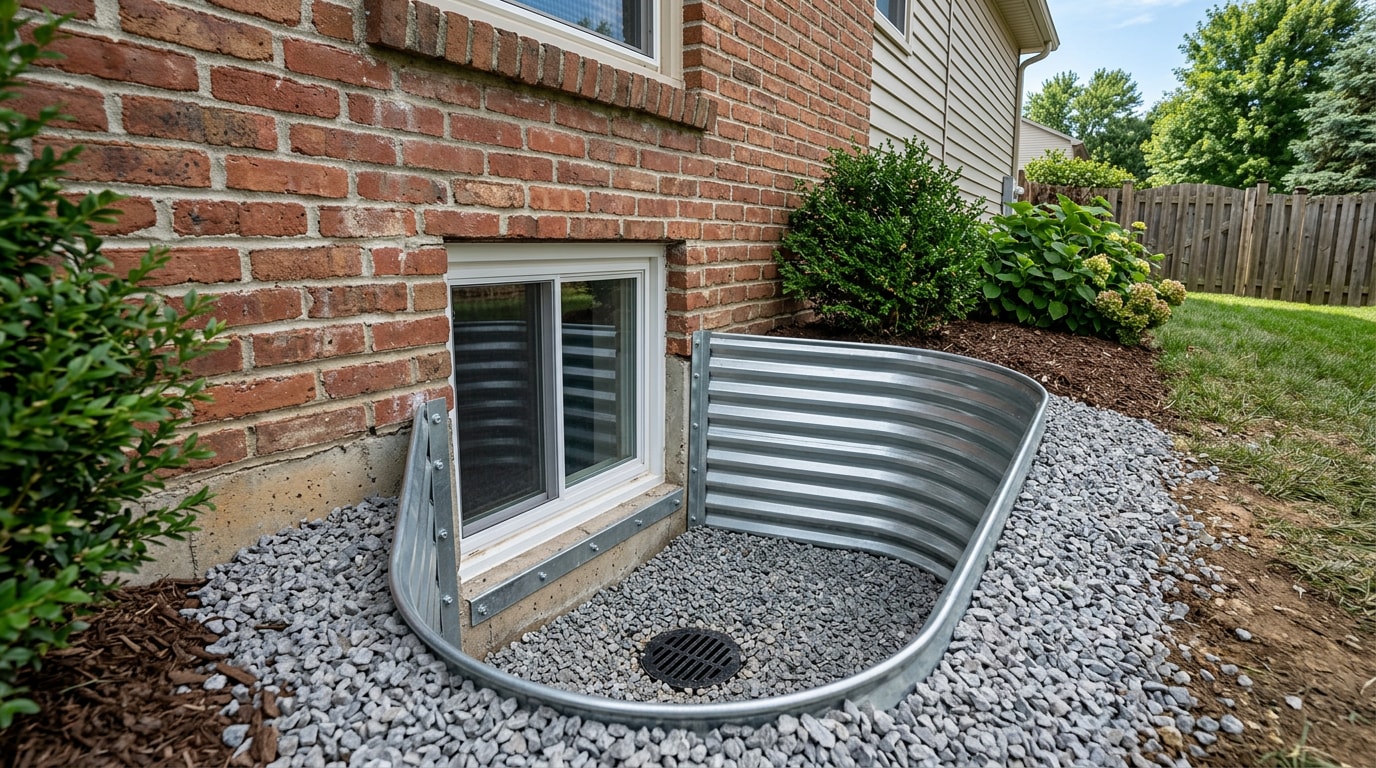
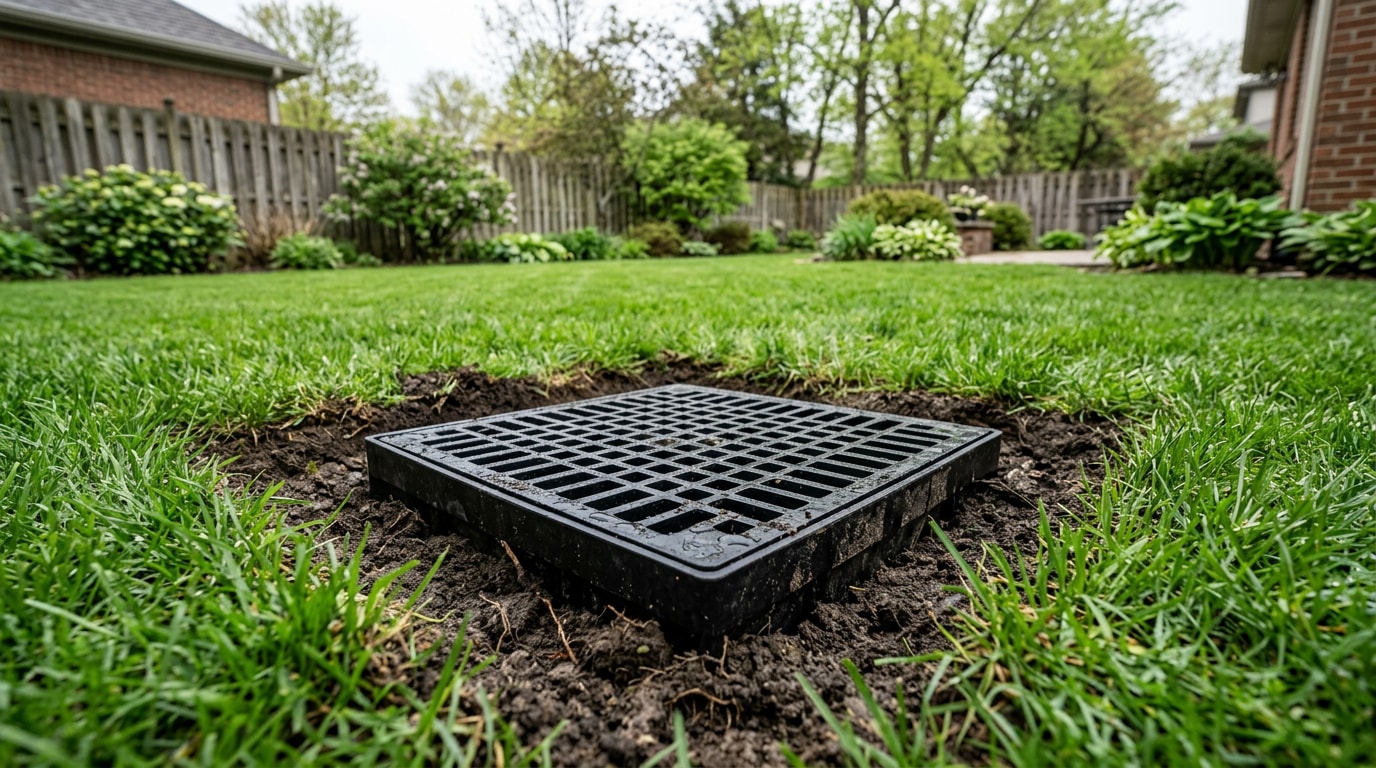
A catch basin drain in Mars, PA is often the only thing standing between a soggy backyard and a flooded crawl space once heavy rain hits Butler County's clay-heavy soil. This guide covers how catch basins work, the warning signs that mean yours needs attention, and real 2026 installation and cleaning costs for the Mars area. Read through it once and you'll know more than most contractors bother to explain on a first visit.
Why Mars, PA Yards Struggle With Drainage
Mars sits on dense clay and shale soil that drains slowly compared to sandier regions. Penn State Extension's county-level soil survey classifies much of Butler County's Buchanan loam, the soil series found across large portions of the area, as only moderately well drained rather than well drained. That single soil fact explains why so many Mars properties hold standing water for a day or more after a normal storm, long after neighboring counties with lighter soil have already drained clear.
Mature tree cover compounds the problem. Our crews consistently pull more waterlogged leaves and gravel out of Mars-area catch basins in October and November than in any other months, a direct result of the oaks and maples lining most local streets and yards.
What Is a Catch Basin? (And How It Differs From a Storm Drain)
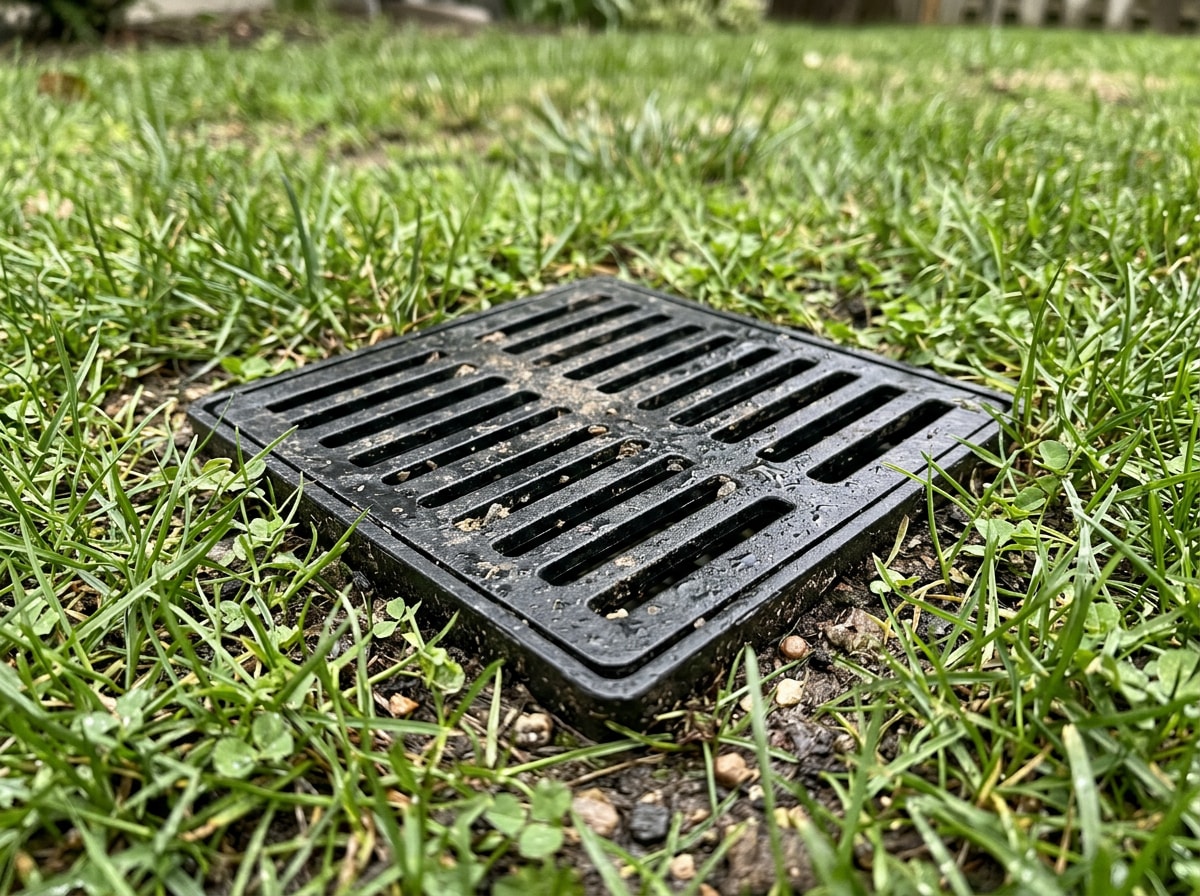
A catch basin is an underground drainage structure that collects surface water through a grate and traps debris before the water continues on through a pipe. Mars, PA homeowners often confuse it with a plain storm drain, but the two work very differently once water goes below ground.
A catch basin has four basic parts: a surface grate, a box or basin below it, a sediment sump at the bottom, and an outlet pipe that carries water away. Water drops through the grate into the box. The outlet pipe sits a few inches above the basin floor on purpose, so leaves, sticks, and grit sink below the pipe opening and stay trapped instead of washing downstream.
A storm drain, by contrast, is usually just a grate over a pipe, with no debris chamber. That works fine where leaves and sediment aren't much of an issue, but it clogs fast on wooded or sloped properties like many found around Mars.
| Feature | Storm Drain | Catch Basin | French Drain |
|---|---|---|---|
| Function | Moves surface water directly into a pipe | Collects water and traps debris before it drains | Redirects groundwater through a perforated pipe in gravel |
| Debris handling | None, sediment passes through | Sump holds leaves, grit, and sediment | Gravel filters larger debris only |
| Maintenance need | Low, but clogs quickly without a sump | Moderate, needs periodic sediment removal | Low to moderate, depending on soil |
| Typical Mars, PA use case | Paved areas with minimal tree cover | Lawns, driveways, and low spots near wooded lots | Foundation perimeters and sloped yards |
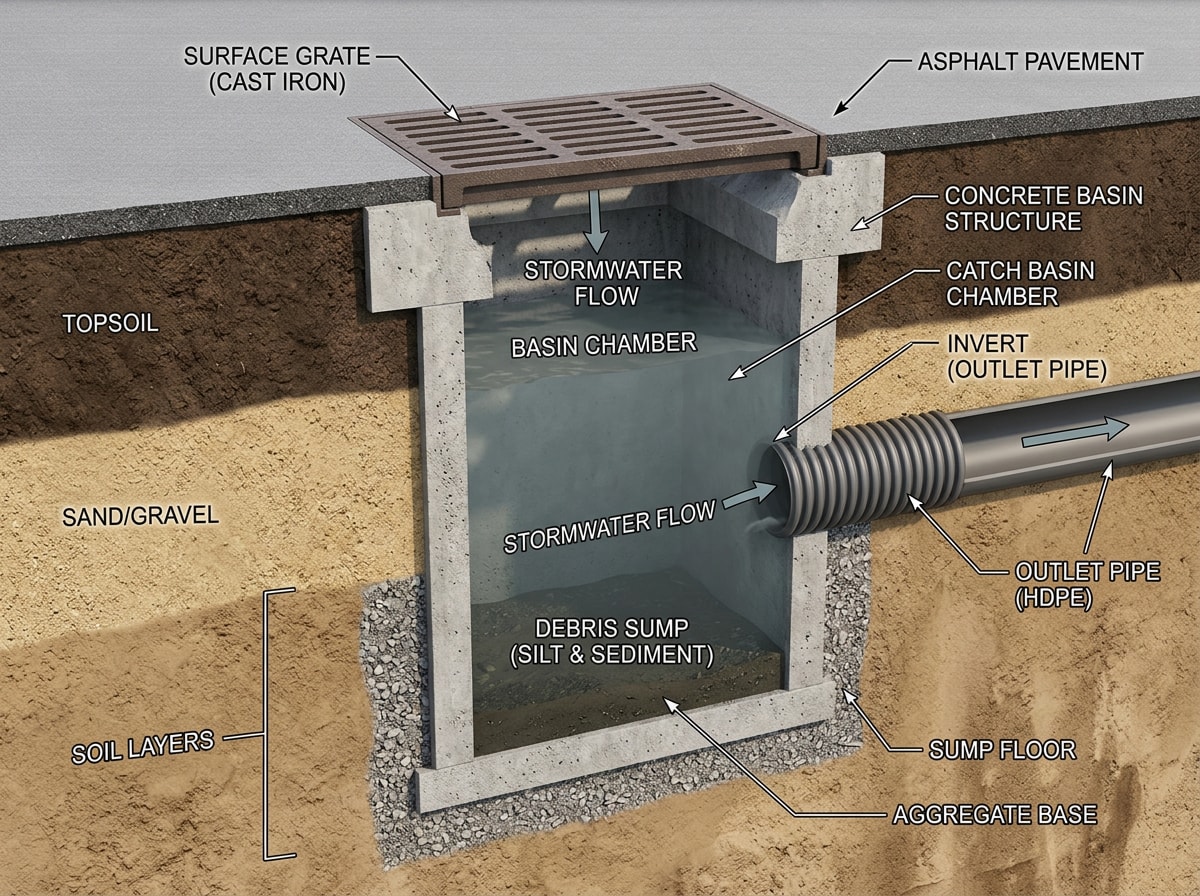
For step-by-step specs on how a residential unit goes together, NDS publishes a detailed guide to installing a catch basin that's worth a skim before you hire anyone.
Signs You Need a Catch Basin or Drainage Repair in Mars, PA
A few warning signs show up again and again on Mars properties with drainage problems:
- Puddles that sit in the same spot for a day or longer after rain
- A strip of lawn that never fully dries out
- Mud or gravel washing across the driveway
- Water running toward the foundation instead of away from it
- A low corner of the yard that stays spongy year-round
- Ice forming in the same patch every winter
- Water showing up in the basement after a storm
If you're also noticing slow drains, gurgling noises, or musty odors near an existing catch basin, that points to a clogged catch basin rather than a simple surface issue.
One distinction matters here: a single bad storm causing temporary yard flooding is normal. Persistent standing water after every moderate rainfall usually signals a structural gap in your drainage setup, not a one-time fluke. If water is backing up toward the house during a storm right now, emergency plumbing help can stop the damage before it spreads.
Homeowners dealing with recurring issues in this area can check our Mars, PA service area page for local drainage support, or start with a plumbing inspection to find out exactly where water is getting trapped.
Catch Basin Installation in Mars, PA: Process & 2026 Costs
Installation starts with digging the hole and setting the basin so the grate sits level with the surrounding grade, not above or below it. The outlet pipe connects a few inches above the basin floor, the hole gets backfilled, and the surrounding soil is shaped so water actually runs toward the grate instead of past it.
On older properties, crews often remove outdated or damaged components first, including failed underground pipes, cracked basins, or surface drainage features, before installing new equipment sized for the property's actual water flow.
Here's what a typical Mars-area install runs in 2026, based on current regional installation data:
| Project Scope | Typical Installed Cost (2026) |
|---|---|
| Single basin, easy access, short pipe run | $800 – $1,800 |
| Standard basin with longer pipe tie-in | $1,800 – $3,000 |
| Multi-basin connected system | $3,000 – $8,000 |
| Full yard regrade plus drainage system | $5,000 – $12,000+ |
These are planning ranges, not quotes. Soil conditions, excavation depth, pipe length, and whether a crew has to work around existing hardscape all move the final number.
If you're ready to compare options, our catch basin and drainage services page outlines what's typically included in a full install, and a free estimate will tell you exactly where your property falls on that range. For homes already dealing with chronic basement moisture alongside yard flooding, a sump pump installation is often paired with surface drainage work for a complete fix.
Catch Basin Cleaning & Maintenance in Mars, PA
Mars gets its share of heavy spring rain and plenty of mature trees dropping leaves every fall, which means local catch basins fill with sediment faster than in drier, less wooded regions. Regular cleaning keeps the system working the way it was designed to.
Cleaning matters because a blocked basin lets pollutants flow straight into the storm sewer and lets water pool or flood along driveways, parking areas, and streets. The EPA notes that typical catch basin maintenance involves trash removal and sediment removal using a vactor truck, which is the same approach most residential drainage contractors rely on.
Technicians also check and repair the brickwork, trap, hood, cover, or frame as needed during a visit. Between professional visits, Mars, PA homeowners can help by:
- Using mesh strainers over drains to catch leaves and debris
- Avoiding dumping grease or yard waste near inlets
- Running a weekly hot-water flush through accessible drains to melt light buildup before it hardens
Left unaddressed, a basin clogged with leaves, silt, and trash raises the risk of localized flooding around the home. If you'd rather not track your own maintenance schedule, our drain cleaning services page covers scheduling options for ongoing care, and the full picture of local sewer and drainage issues is covered in our Mars, PA plumbing and sewer repair guide.
FAQ
How much does catch basin cleaning or installation cost in Mars, PA?
Cost depends on basin count, pipe length, and how difficult the site is to excavate. A single-basin install typically falls between $800 and $3,000, while full-yard systems run higher. Always request a written, itemized quote before work begins, and start with a free estimate so you know the real number for your property.
How deep should a catch basin be installed?
Most residential basins sit 18 to 36 inches deep, though the final depth depends on the property's terrain. The outlet pipe has to run downhill the entire way to its discharge point, so steeper or flatter yards change the required depth.
How often should a catch basin be cleaned in Mars, PA?
At minimum, once in spring and once in fall, since those seasons bring the heaviest rain and leaf drop locally. Properties with mature trees overhead or a history of flooding often need a mid-summer check too.
Can I clean a catch basin myself, or should I call a plumber?
Scooping leaves and surface debris off the grate is fine as a DIY task. Removing packed sediment from the sump or clearing a blocked outlet pipe usually requires professional equipment, since reaching the bottom of the basin without disturbing the outlet seal takes the right tools.
What should I do if my yard floods during a storm?
Keep people and vehicles away from standing water near electrical lines, and check that the basin grate isn't blocked by debris. If water is pushing toward the foundation or into the basement, that's an emergency. Call for emergency plumbing rather than waiting for the storm to pass.
How do local contractors install a catch basin?
Contractors excavate the area, position the basin and grate at the correct grade, and connect it to the existing drainage system. They then grade the surrounding soil so water flows toward the grate instead of pooling nearby. Reach out for a quote if you'd like a site-specific assessment, or visit our homepage to see our full range of plumbing and drainage services.