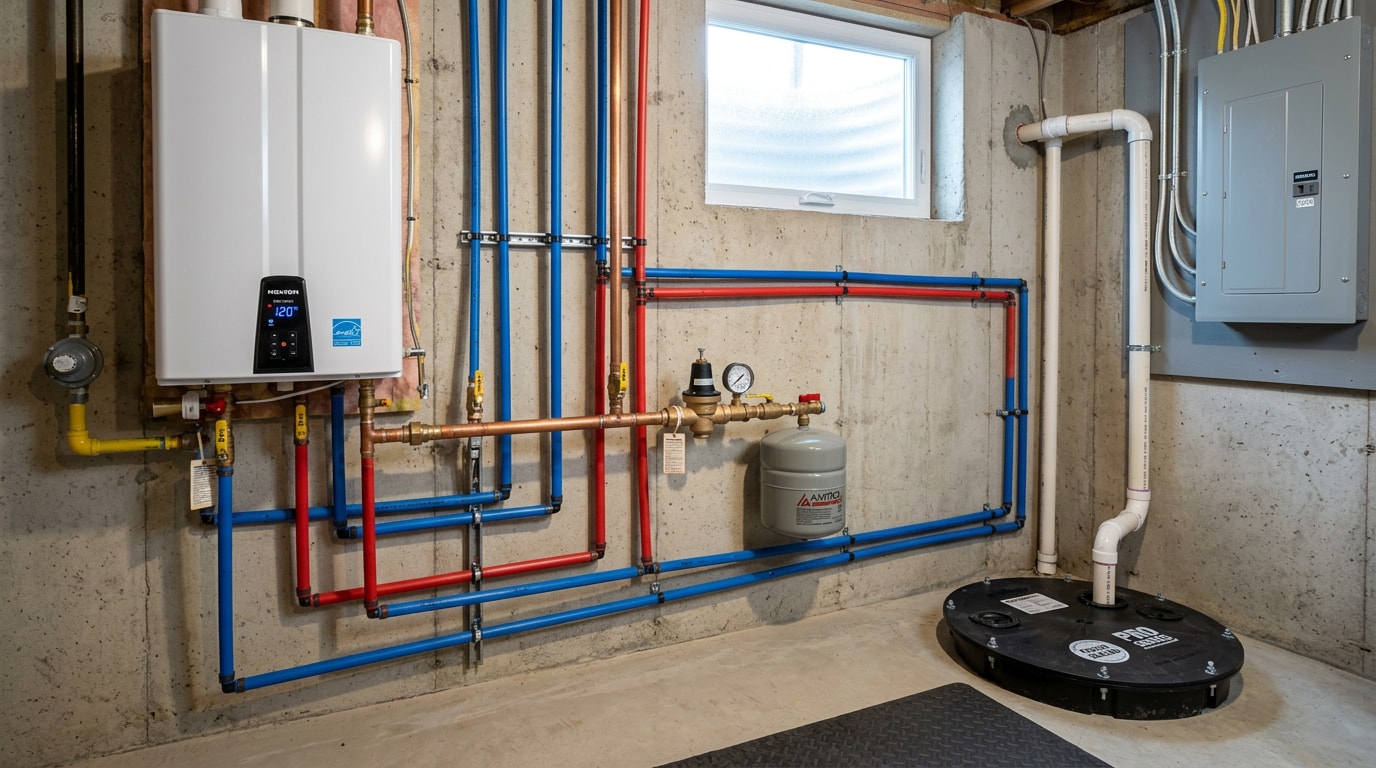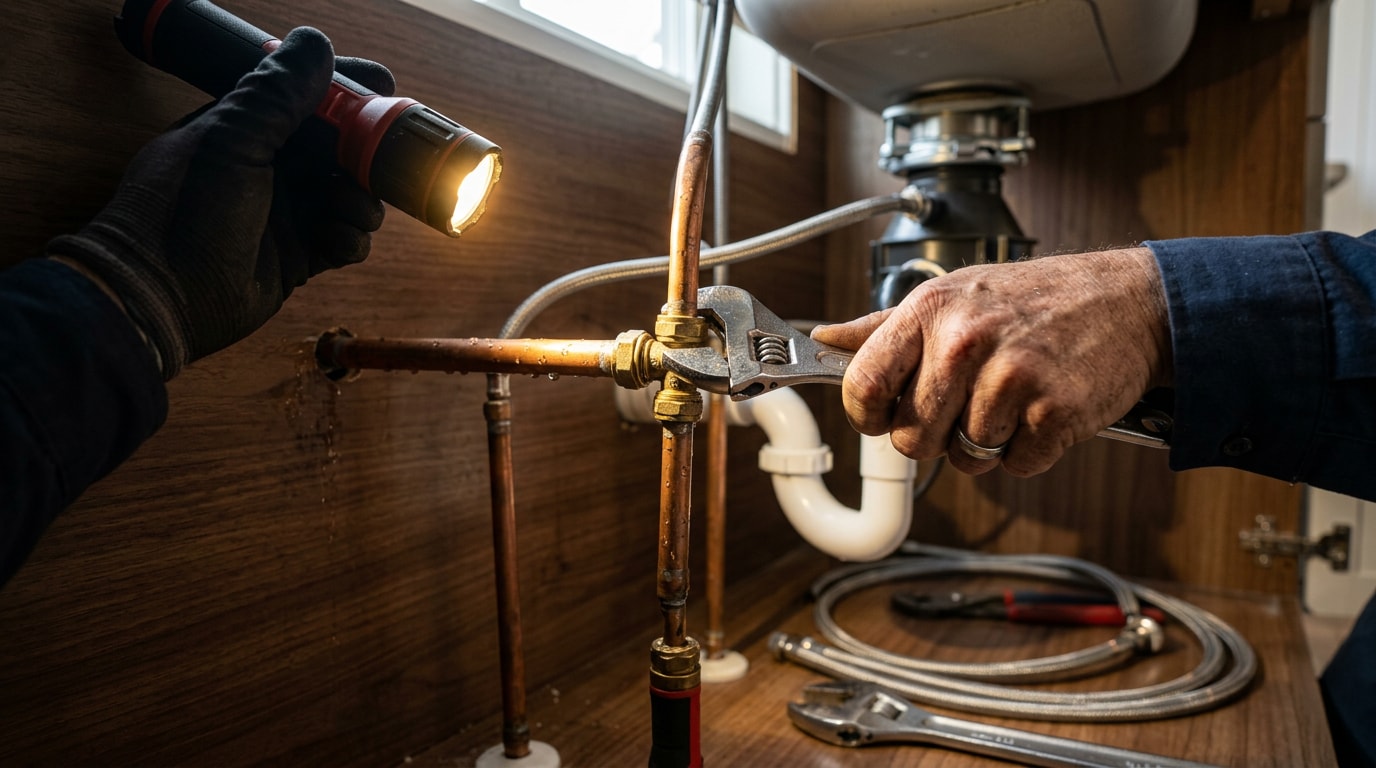
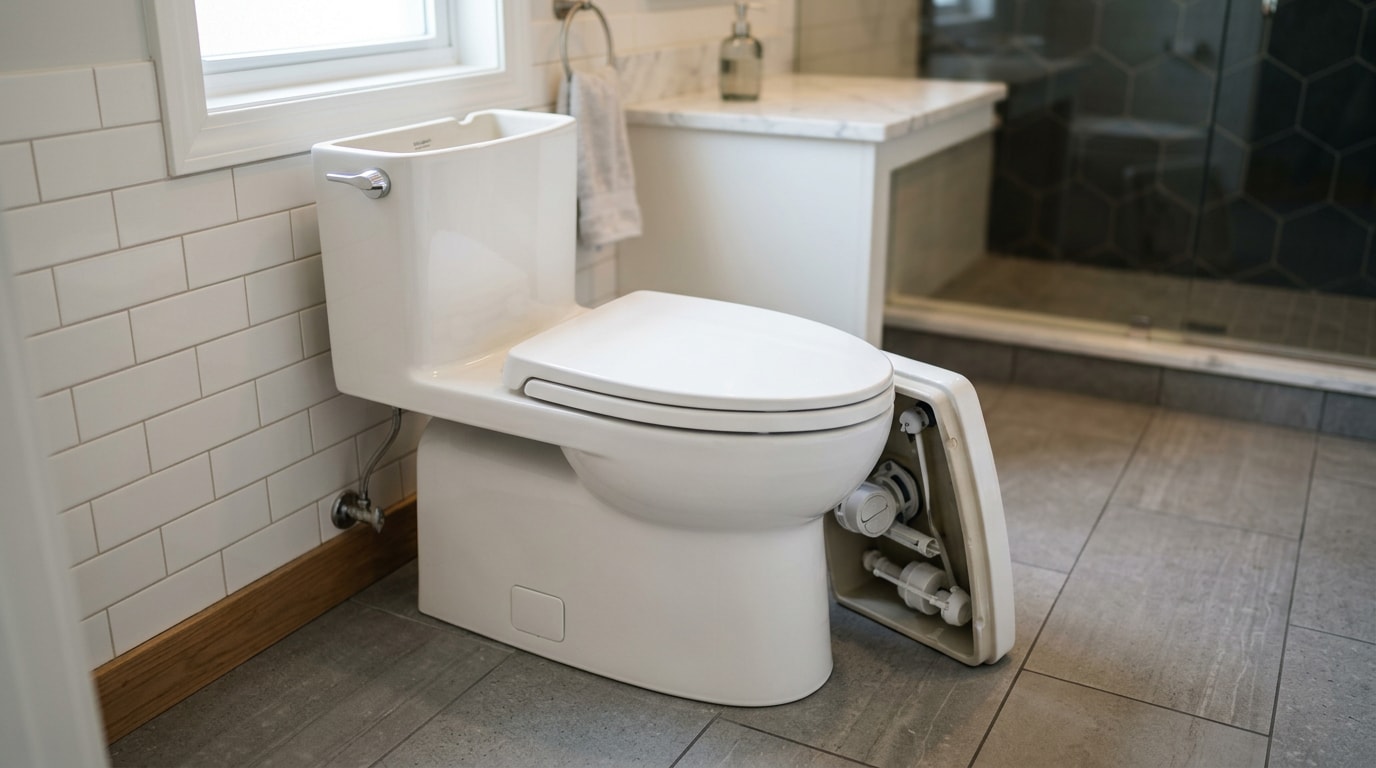
Why does my toilet not flush all the way? In most Wexford, PA homes, it comes down to one of five mechanical culprits: low tank water, a worn flapper, a clogged fill valve, blocked rim jets, or a clog sitting deeper in the drain line. Walk through each one below in order, and you'll usually know which part is failing in under five minutes. Then you can decide whether it's a quick DIY fix or time to call in help.
Common Causes of a Toilet Not Flushing All the Way
Five mechanical issues account for nearly every incomplete-flush complaint homeowners run into. Start with the simplest checks in the tank before moving on to drain-related causes.
In our experience working on toilets throughout Wexford and the North Hills, the problem sits in the tank far more often than in the drain line. A true clog is actually the less common answer.
- Low water level in the tank
- Worn or misaligned flapper
- Faulty fill valve
- Clogged rim jets or blocked inlet holes
- A clog in the toilet, flange, or drain line
Low Water Level in the Tank
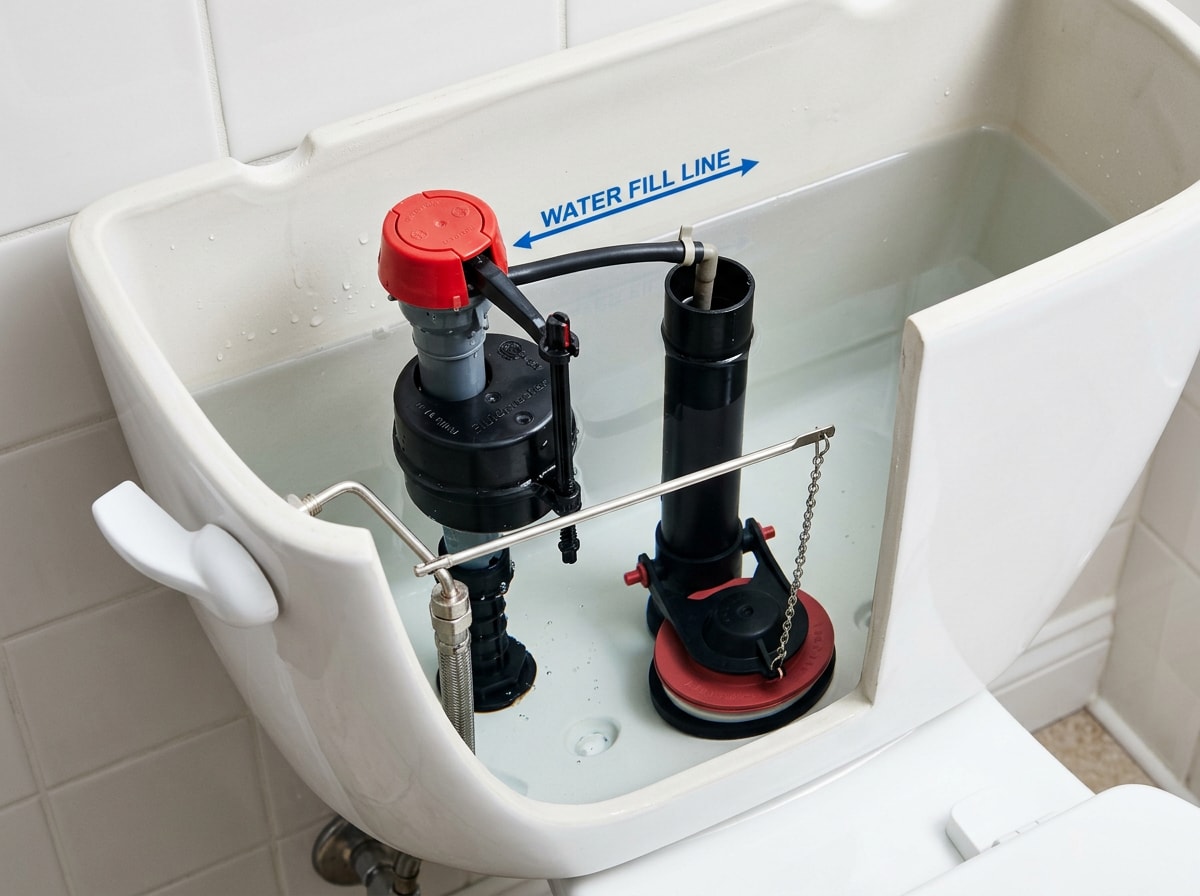
A tank that doesn't fill high enough simply can't generate the volume of water needed for a complete flush. This can happen because someone manually lowered the float to save water, or because the fill valve has drifted out of adjustment over time.
Every modern toilet is engineered around a specific water line, usually marked near the overflow tube. Federal regulations set the maximum flush volume for gravity tank-type toilets at 1.6 gallons per flush, codified in the Code of Federal Regulations.
Design improvements have allowed toilets to use 1.28 gallons per flush or less while still providing equal or superior performance, which is 20 percent less water than the federal standard , according to the EPA's WaterSense program. That means these tanks are built around precise tolerances, not a "more water is always better" approach. If your water sits noticeably below the marked line, adjusting the float is usually a quick fix.
Worn or Misaligned Flapper
The flapper seals the bottom of the tank and lifts briefly to release water into the bowl during a flush. If it's warped, cracked, or sitting crooked, it can let water trickle out, or drop back down too early, cutting the flush short before enough water builds up.
A flapper chain that's too long lets the flapper reseat early. One that's too short holds it open longer than intended. Either scenario weakens flush performance. Flappers are inexpensive and typically last three to five years before the rubber degrades.
Quick DIY test: Add a few drops of food coloring to the tank water and wait 15 minutes without flushing. If color shows up in the bowl, the flapper is leaking and needs replacement.
Faulty Fill Valve
The fill valve controls how quickly and completely your tank refills between flushes. Mineral buildup from hard water, common across parts of the Wexford area, can slow this process or prevent the valve from shutting off at the correct level.
Over time, aging fill valve components lose the tight seal needed for a full, efficient refill. If your tank takes unusually long to refill or never reaches the fill line, the valve is a likely suspect.
Clogged Rim Jets or Blocked Inlet Holes
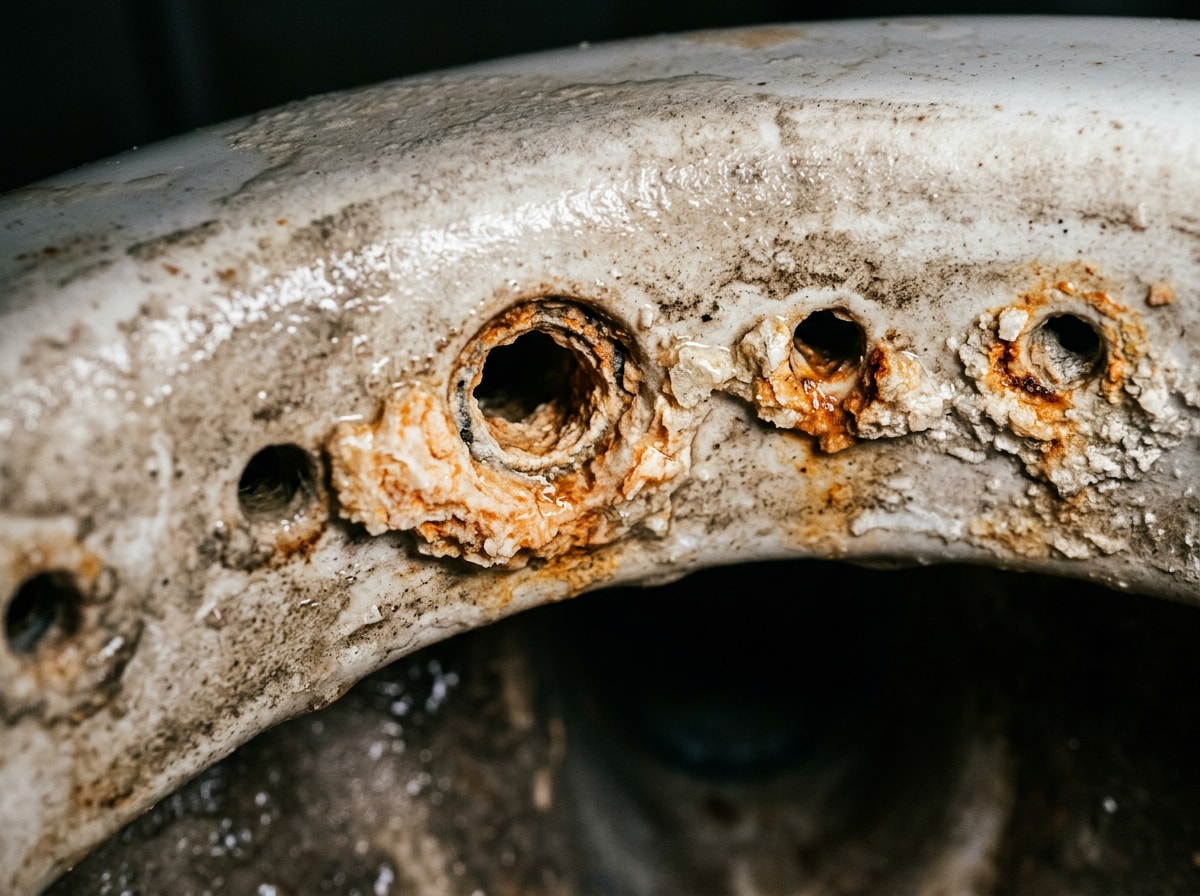
Rim jets are the small holes under the bowl's rim that direct water at an angle to create the swirling action of a flush. When mineral deposits clog these holes, water dribbles straight down the sides instead of swirling, which weakens the siphon action that pulls waste through the trap.
You can often spot this visually. Hold a mirror under the rim and look for water trickling out at only a few points instead of flowing evenly around the bowl. Homes with hard water tend to notice this creeping in over months rather than appearing overnight.
A Clog in the Toilet, Flange, or Drain Line
This is the cause most often cited across plumbing sources, and it ranges from a simple partial blockage to a deeper flange or trap-pipe obstruction. A minor clog often responds to plunging, while a flange-level or drain-line clog usually needs professional drain cleaning.
Here's a quick way to tell the two apart:
- If the bowl fills and drains slowly with gurgling sounds, suspect the drain itself.
- If the bowl never seems to get enough water before the flush even starts, the issue is more likely tank-side.
Residential drain lines also need to be installed with the correct downward pitch to carry waste away. Residential drain pipes need a consistent downward slope so gravity can move wastewater and solids out of the home, with the International Plumbing Code setting minimums that range from 1/4 inch per foot for smaller pipes down to smaller slopes for larger ones , per the International Code Council's plumbing code. Persistent drain clogs that don't respond to plunging can point to a slope problem that was never corrected during installation, and in that case, scheduling professional drain cleaning is the more reliable fix.
How to Fix a Toilet That Won't Flush Completely
Once you've identified which part is misbehaving, most fixes fall into a short list: adjusting the float, replacing a flapper, swapping a fill valve, or clearing a clog. For anything beyond basic parts replacement, a licensed plumber can diagnose the exact cause in minutes rather than hours of trial and error.
| Repair | DIY Cost | Professional Cost |
|---|---|---|
| Flapper replacement | $8 to $20 | $75 to $150 (parts + labor) |
| Fill valve replacement | $15 to $35 | $85 to $175 (parts + labor) |
| Rim jet cleaning (vinegar soak) | Free to $10 | $100 to $200 (diagnosis + service) |
| Flange or drain-line clog | Not DIY-advisable | $200 to $500+ depending on access |
If your toilet is older than 15 to 20 years and keeps needing part replacements, it may be more cost-effective to replace it outright. Our toilet installation team can walk you through options, including WaterSense-certified models that use less water per flush without losing flushing power.
For anything involving the flange, wax ring, or drain connection, our toilet repair specialists in Wexford handle the diagnosis and fix in a single visit. Get a free estimate before you spend money on parts that might not be the actual problem.
When to Call a Plumber in Wexford
Most incomplete flushes are DIY-fixable with basic tools and a little patience. But two situations below signal a bigger system problem that calls for professional help rather than another round of troubleshooting.
Septic Tank and Drain Field Problems
Homes on septic systems sometimes experience weak flushing when the tank is nearing capacity or the drain field is struggling to absorb wastewater. Warning signs include sewage backing up in toilets, sinks, or bathtubs, slow flushing toilets and drains that drain much slower even after plunging, and water pooling in the yard near the septic tank , according to Washington State University Extension. If you're on a septic system and notice any of these alongside a weak flush, stop troubleshooting the toilet itself and get the system inspected.
Gurgling, Bubbling, or No Flush at All?
Gurgling or bubbling during or after a flush often points to a blocked plumbing vent or a sewer line clog further down the system, not a simple tank repair. If you hear these sounds, or the toilet doesn't flush at all despite a full tank, stop troubleshooting and call a plumber before the problem spreads to other fixtures in the house.
For a deeper look at flush valve wear specifically, see our guide on toilet flush valve signs, costs, and repair options in Wexford, PA. If the problem turns out to be sewer-side, our sewer camera inspection team can pinpoint the blockage without tearing into walls or yards. For plumbing problems that can't wait, emergency plumbing service is available for Wexford homeowners around the clock.
Learn more about Out of This World Plumbing Services and our work across Wexford, or see our full Wexford, PA service area page for everything we handle locally.
FAQ
Why Won't My Toilet Flush All the Way?
A toilet that won't flush all the way is usually caused by low tank water level, a worn flapper, or a partial clog in the drain. Checking these three spots first resolves the majority of incomplete-flush complaints without needing a plumber.
Why Is My Toilet Flushing Weak But Not Clogged?
When there's no visible clog, a weak flush almost always points to the tank side of the system. Low water level, a misaligned flapper, or a slow fill valve are more likely culprits than anything blocking the drain line.
Should I Plunge a Toilet That's Still Weak After Plunging?
If the flush is still weak after two or three solid plunges, the problem isn't a clog, it's a water volume issue in the tank. Check the float height and flapper next instead of continuing to plunge.
Why Does My Toilet Flush Fine Sometimes but Not Completely Other Times?
Inconsistent performance usually means a partial clog is shifting position within the trap or drain line. It clears enough to flush normally sometimes, then settles back into place and causes another weak flush soon after.
Why Does My Toilet Gurgle After Flushing?
A gurgle after flushing usually means air is being pulled back through the drain because a vent pipe is partially blocked or a clog further down the line is restricting airflow. This isn't a tank problem and typically needs a plumber to clear.
Can a Clogged Vent Cause a Toilet to Flush Poorly?
Yes. Plumbing vents let air into the drain system so waste water can flow smoothly. If a vent is blocked, usually by debris, ice, or a nest, the toilet can flush weakly or gurgle even though the tank and bowl are working fine.
Why Does My Toilet Flush But Leave Waste Behind?
This points to insufficient water volume or flush force rather than a clog. Low tank water, a flapper that closes too early, or clogged rim jets are the most common reasons waste doesn't fully clear on the first flush.