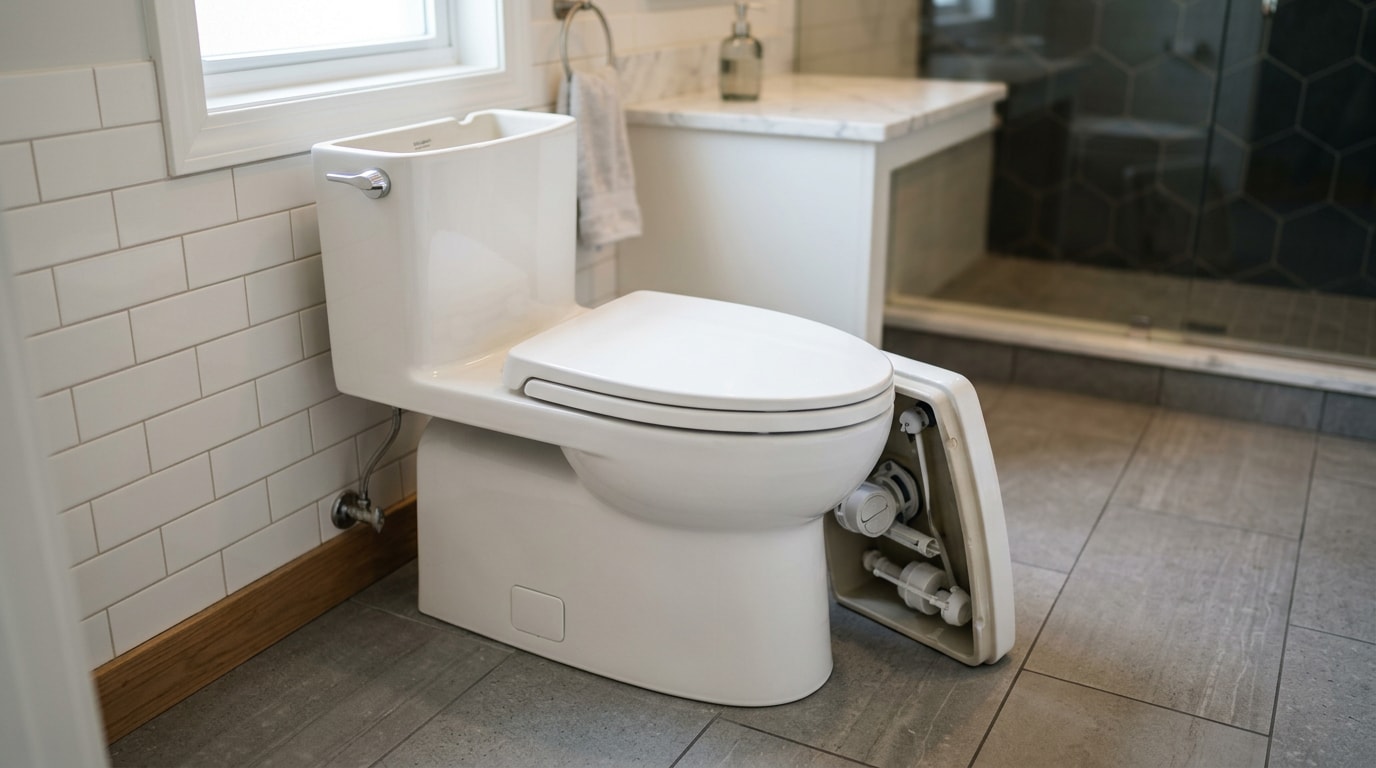
A toilet flush valve in Wexford, PA that keeps running after a fresh flapper swap almost always points to a worn or cracked valve seat underneath. This guide breaks down the signs, 2026 repair costs, and step-by-step replacement process, plus when it's smarter to call a licensed local plumber instead of fighting it yourself.
Our technicians at Out Of This World Plumbing Services field flush valve calls across Wexford and the North Hills every month, and the pattern is consistent: homes on well water or older municipal lines see valve seats pit and warp years before the typical replacement window closes.
Signs You Need a Toilet Flush Valve Replacement
A bad flush valve usually shows up as a toilet that keeps running, water seeping between the tank and bowl, or a flapper that never seats properly no matter how many times you replace it.
If a new flapper doesn't stop the noise, the valve seat beneath it is likely worn, cracked, or warped.
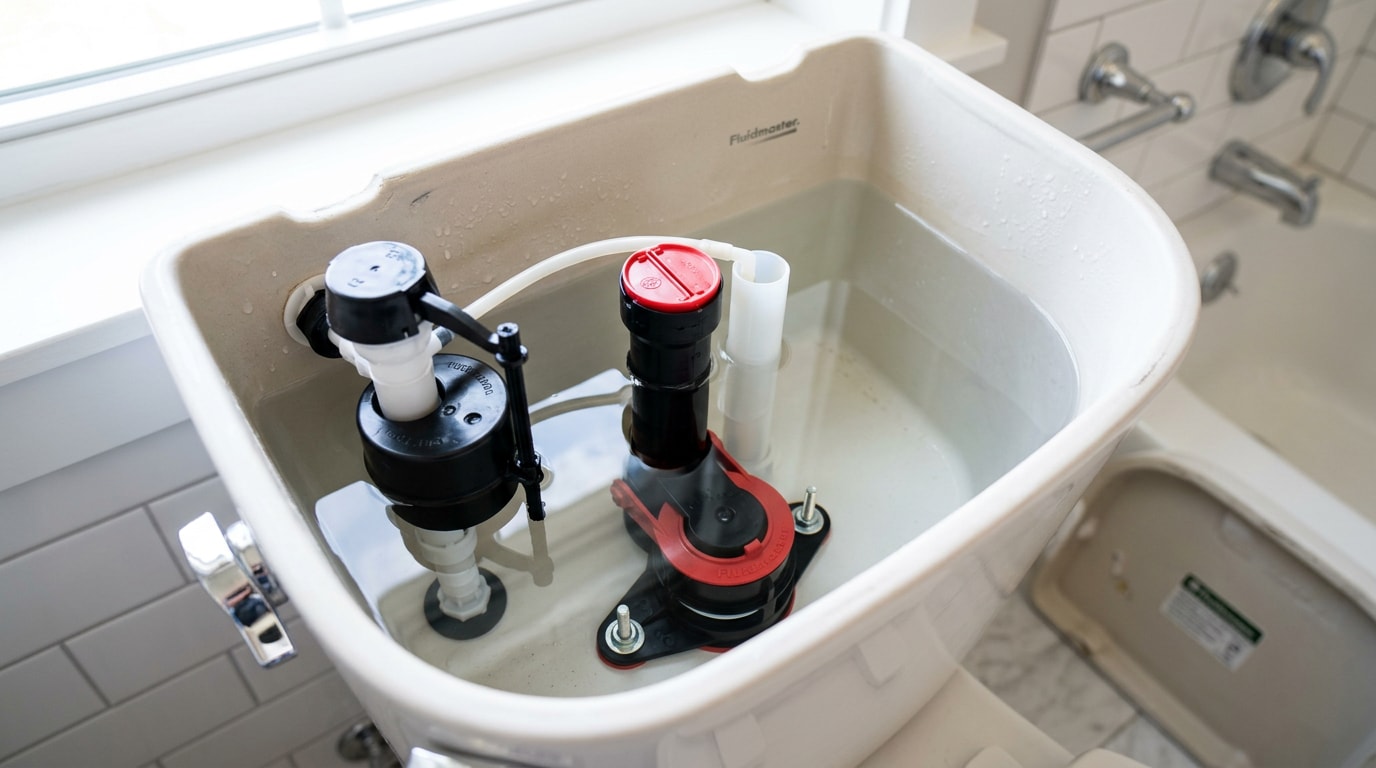
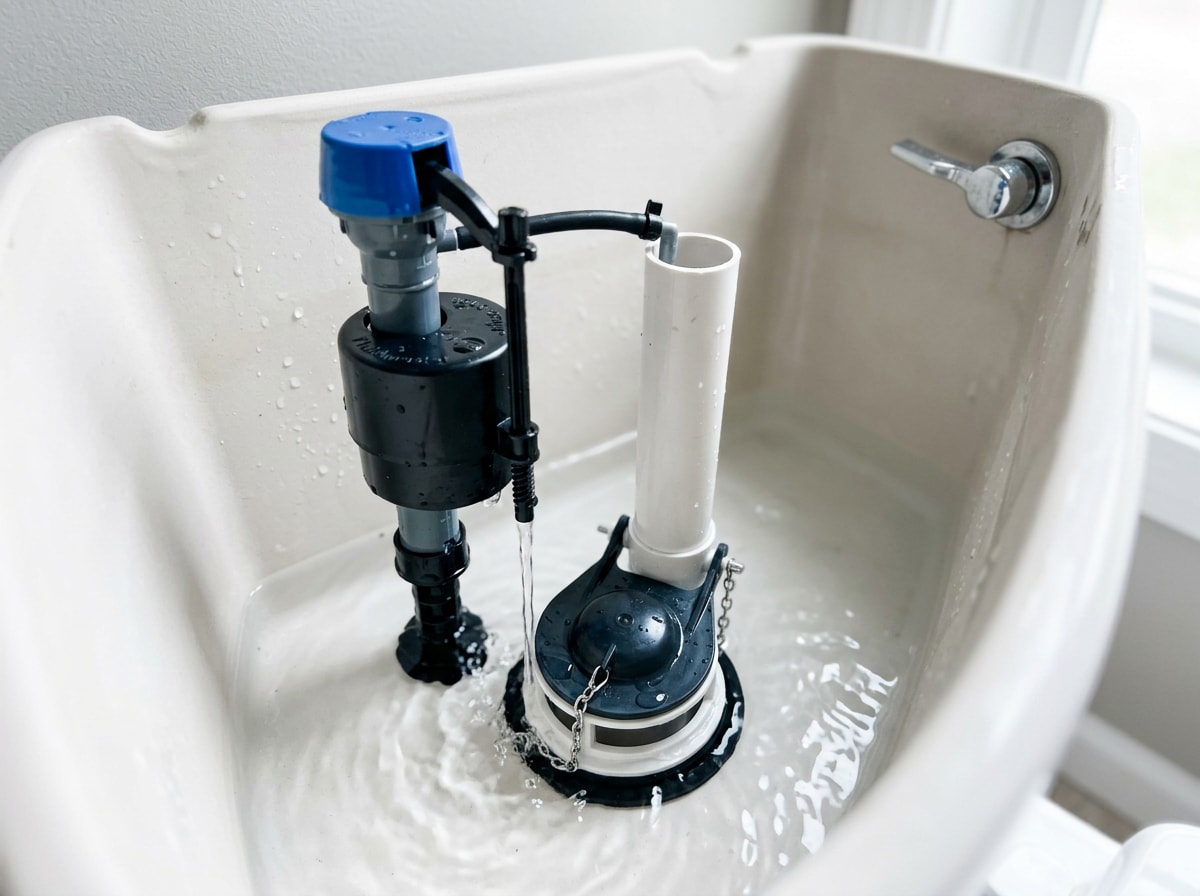
A flush valve replacement differs from a simple flapper fix in one key way. The flapper is just the rubber seal, while the valve is the entire fitting it seats against, including the overflow tube. Most valves last 5 to 7 years, less in homes with hard water that pits the seat surface.
To confirm it's the valve and not the flapper, run a quick dye test:
- Add a few drops of food coloring to the tank water.
- Wait 10 minutes without flushing.
- Check the bowl for color.
EPA recommends checking for silent toilet leaks by placing a few drops of food coloring in the tank and waiting 10 minutes before flushing, and if dye is visible in the bowl, there is a leak that may be easily fixed by replacing a worn flapper. If a fresh flapper hasn't solved the problem, the valve itself is the next suspect. Left unaddressed, leaks from running toilets, dripping faucets, showerheads, and irrigation systems waste nearly 1 trillion gallons of water a year nationwide , so a quick diagnosis pays for itself fast.
Toilet Flush Valve Replacement Cost in 2026
DIY parts for a flush valve replacement typically run $15 to $45 depending on brand and valve size, and parts alone cost just $10 to $50 at most home improvement stores .
Hiring a plumber brings the total higher since labor, not the part, drives the price. National cost data puts a professional job between $110 and $200 for a flush valve replacement , while other guides show a wider spread of $125 to $450, with most homeowners paying around $271 for a professional toilet flush valve replacement .
A straightforward swap takes about 1 to 2 hours from start to finish for a typical pro , but the bill climbs when tank bolts have corroded, the toilet is a one-piece model requiring more disassembly, or the call comes in after hours. For context on what drives labor pricing regionally, the median annual wage for plumbers, pipefitters, and steamfitters was $62,970 in May 2024 , according to the Bureau of Labor Statistics, a figure that covers wages only, not the overhead, trucks, insurance, and licensing baked into a service call rate.
If your toilet is corroded, cracking, or an older high-volume model, it may be more cost-effective to upgrade than repair. Our toilet installation team can walk you through water-saving replacement options during the same visit.
Cost by Valve Type
| Valve Type | Part Cost Only | Common On |
|---|---|---|
| 2-inch flush valve | $8 to $30 | Most standard gravity-flush toilets |
| 3-inch flush valve | $15 to $45 | Newer high-efficiency and low-flow models |
Standard 2-inch flush valves are the most common and least expensive. For example, a 2-inch toilet flush valve with a replacement flapper is sold at major retailers for around $21 . 3-inch flush valves can run $15 to $35 for the part due to larger seals and tighter tolerances, especially on dual-flush and low-flow toilets.
These figures reflect part cost only, not an installed total. Labor, gaskets, and any replacement tank bolts are added on top.
Tools, Parts, and Prep Before Replacing a Flush Valve
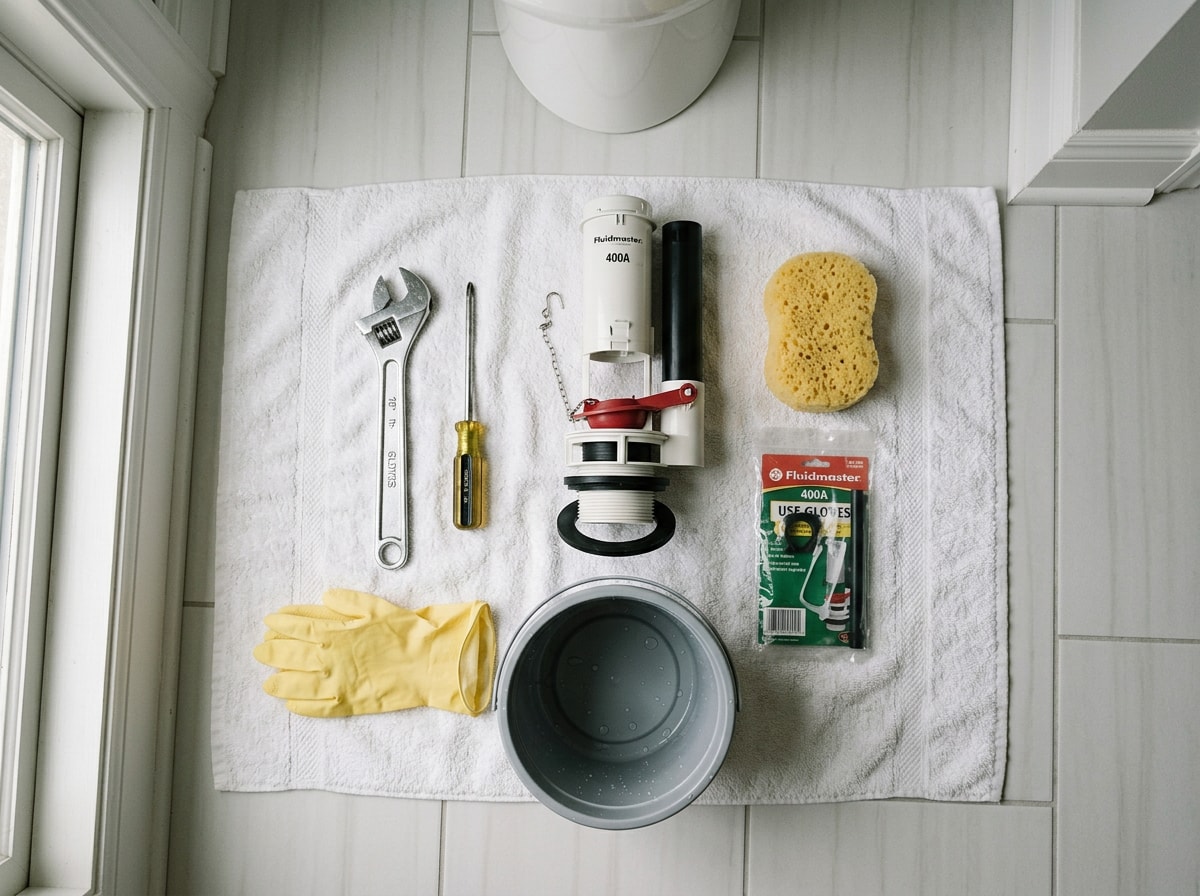
Before starting, gather:
- Adjustable wrench
- Phillips screwdriver
- Sponge or old towels
- Small bucket
- Rubber gloves
- Flush valve replacement kit sized to your toilet
Many kits include a new gasket and tank-to-bowl bolts, so check what's included before buying extras. Shut off the water supply at the wall valve and flush to drain the tank before touching anything. Lay towels down to protect flooring from drips, and test the shut-off valve first. A seized or leaking valve can turn a simple repair into a bigger job.
Replace a Toilet Flush Valve in 8 Steps
The process differs depending on whether you have a two-piece toilet or a one-piece toilet, so confirm which you have before starting. Two-piece models require full tank removal; one-piece toilets let you work inside the tank without lifting it off.
- Shut off the water supply and flush to empty the tank.
- Sponge out remaining water and disconnect the supply line.
- Remove tank bolts and lift the tank away (two-piece only).
- Unscrew the flush valve locknut from underneath.
- Remove the old valve and gasket.
- Seat the new valve and gasket, then hand-tighten the locknut.
- Reattach the tank (or reassemble in-tank components) and reconnect the supply line.
- Turn water back on and test for leaks around the base and tank seam.
| Toilet Type | Typical Time | Difficulty |
|---|---|---|
| Two-piece | 45 to 75 minutes | Moderate, tank removal adds steps |
| One-piece | 60 to 90 minutes | Higher, tighter access, more careful handling |
If the toilet still runs after installing a new valve, check that the locknut is fully seated and the refill tube isn't siphoning water into the overflow tube. A loose locknut is the most common reason a fresh valve still leaks.
Remove the Tank (Two-Piece Toilets)
Lift the tank straight up and off once the tank bolts are removed, rather than tilting or twisting it. The bolts and flush valve locknut sit on the underside of the tank, accessible once you flip it over on a padded surface.
When reassembling, torque the tank bolts evenly in small increments rather than cranking one side down fully. Over-tightening is a common cause of cracked porcelain during tank removal and reinstallation.
Choosing the Right Valve
Measure the diameter of your current valve opening before buying a replacement. Most toilets use either a 2-inch or 3-inch seat, and installing the wrong size won't seal properly. This single measurement determines compatibility more than brand name does.
A 2-inch vs. 3-inch choice usually comes down to your toilet's original design rather than preference. Swapping sizes typically isn't possible without replacing the whole tank. Major brands like Kohler, American Standard, TOTO, and Fluidmaster each make standard flapper-style and canister-style valves, with canister designs common on newer low-flow models. A so-called universal flush valve can work across several brands, but always double-check tank bolt spacing and valve height first.
Modern valve sizing is shaped by national water-efficiency standards. EPA's WaterSense Specification for Tank-Type Toilets, revised in June 2014 as Version 1.2, remains the specification currently in effect , and it identifies products certified to be at least 20 percent more water-efficient and perform as well as or better than standard models . You can review the current criteria on EPA's residential toilets page.
Bathroom Plumbing Repairs in Wexford, PA
Flush valves rarely fail in isolation. Local plumbers handling toilet repair calls in Wexford also tackle constantly running toilets, clogged bowls, failing shut-off valves, and cracked supply lines in the same visit.
A professional call makes more sense than DIY when the shut-off valve is corroded shut, the tank flange is cracked, or the same repair keeps failing, since those situations often signal a bigger issue than the valve alone. If the problem hits after hours, our 24/7 emergency plumber team covers Wexford and the surrounding North Hills.
For bathroom plumbing needs beyond a part swap, our toilet repair services page outlines what a standard visit includes, and our plumbing maintenance program helps catch a failing valve before it floods a bathroom floor.
Bathroom Plumbing Installations in Wexford, PA
Sometimes a failing flush valve is really a sign the whole toilet has reached the end of its service life. In those cases, full toilet installation often includes water-saving and ADA-compliant fixture options that a part replacement can't offer.
Professional installation also ensures the new fixture meets current plumbing code, something a DIY part swap doesn't guarantee. Browse our plumber services hub for current fixture options, or see how we handled a related Wexford fixture job in our garbage disposal plumbing guide.
Ready to get this fixed right the first time? Get a free estimate from our Wexford-area plumbing team, or visit our homepage to see our full service lineup for Wexford, PA homeowners.
FAQ
How much does it cost for a plumber to replace a flush valve?
Expect to pay roughly $110 to $450 for a professional flush valve replacement, including labor and parts, with most jobs landing closer to $150 to $270. Dual-flush systems and one-piece toilets trend higher because they take longer to disassemble and reassemble.
Can you repair a toilet flush valve instead of replacing it?
Sometimes. If the valve seat is still smooth, a thorough cleaning or a simple flapper replacement may resolve the leak without a full swap. Once the seat is cracked or warped, replacing the entire flush valve assembly is the only lasting fix.
How do you install a flush valve in a toilet?
Shut off the water, drain the tank, remove the old valve, and seat the new one with a fresh gasket before reassembling. The full process, including tank removal for two-piece models, is covered step by step above.
Is a flush valve the same thing as a flapper?
No. The flapper is the rubber seal that lifts to release water. The flush valve is the entire fitting underneath it, including the valve seat and overflow tube. A worn flapper is a cheap, quick fix; a damaged valve seat requires replacing the whole valve.
How long does a toilet flush valve last?
Most flush valves last 5 to 7 years under normal conditions. Hard water and well water shorten that lifespan by pitting or warping the valve seat faster, which is the most common reason we see early failures on service calls in this area.
How can I prevent clogs in my bathroom drains?
Use drain screens, avoid flushing wipes or feminine products, and schedule routine drain maintenance every year or two. These habits go a long way toward preventing bathroom clogs before they become bigger plumbing problems.