A plumbing gas line issue in Cranberry Township, PA can go from "minor annoyance" to "evacuate the house" faster than most homeowners expect. Whether it's a corroded fitting behind the dryer or a brand-new line for an outdoor grill, this work requires a licensed plumber, the right pressure-testing tools, and knowledge of the DOT certification rules your gas utility actually enforces here. Below is what that work involves, what it costs you if you skip it, and how to get it done right the first time.
Common Gas Line Problems We Fix
Gas line calls generally fall into two buckets: things that need attention today, and things that need attention soon.
Call for same-day service if you notice:
- A persistent rotten-egg or sulfur smell near an appliance or along a wall
- A hissing sound near a pipe, meter, or shutoff valve
- A weak, flickering flame or a pilot light that won't stay lit
- An appliance that shuts off on its own repeatedly
Schedule a visit soon for:
- Visible corrosion or pitting on exposed gas pipe
- Loose or aging fittings found during a renovation
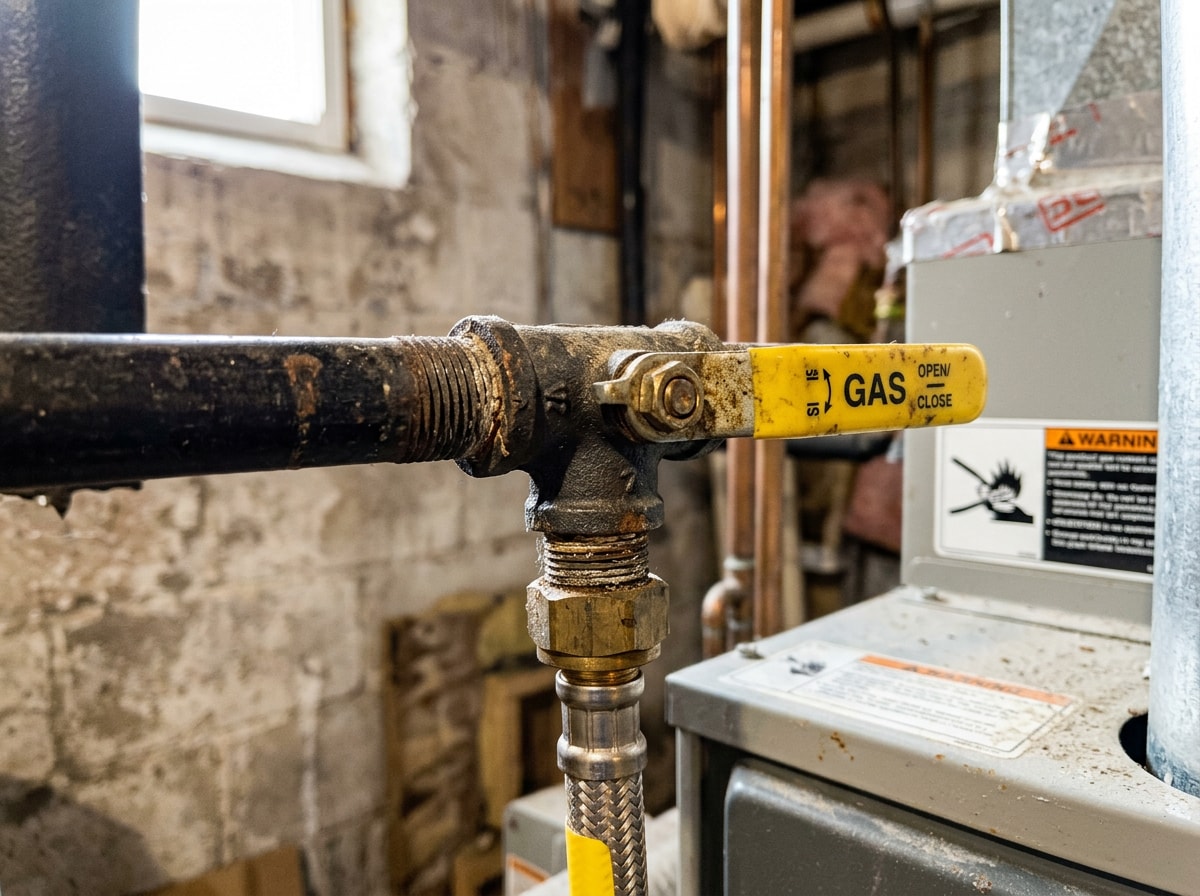
- A shutoff valve that's stiff, stuck, or hard to turn
- A damaged flex connector discovered after an appliance swap
Left alone, the second list tends to turn into the first list. That's the pattern we see most often on service calls across Butler County.
Gas Line Leak Detection in Cranberry Township, PA
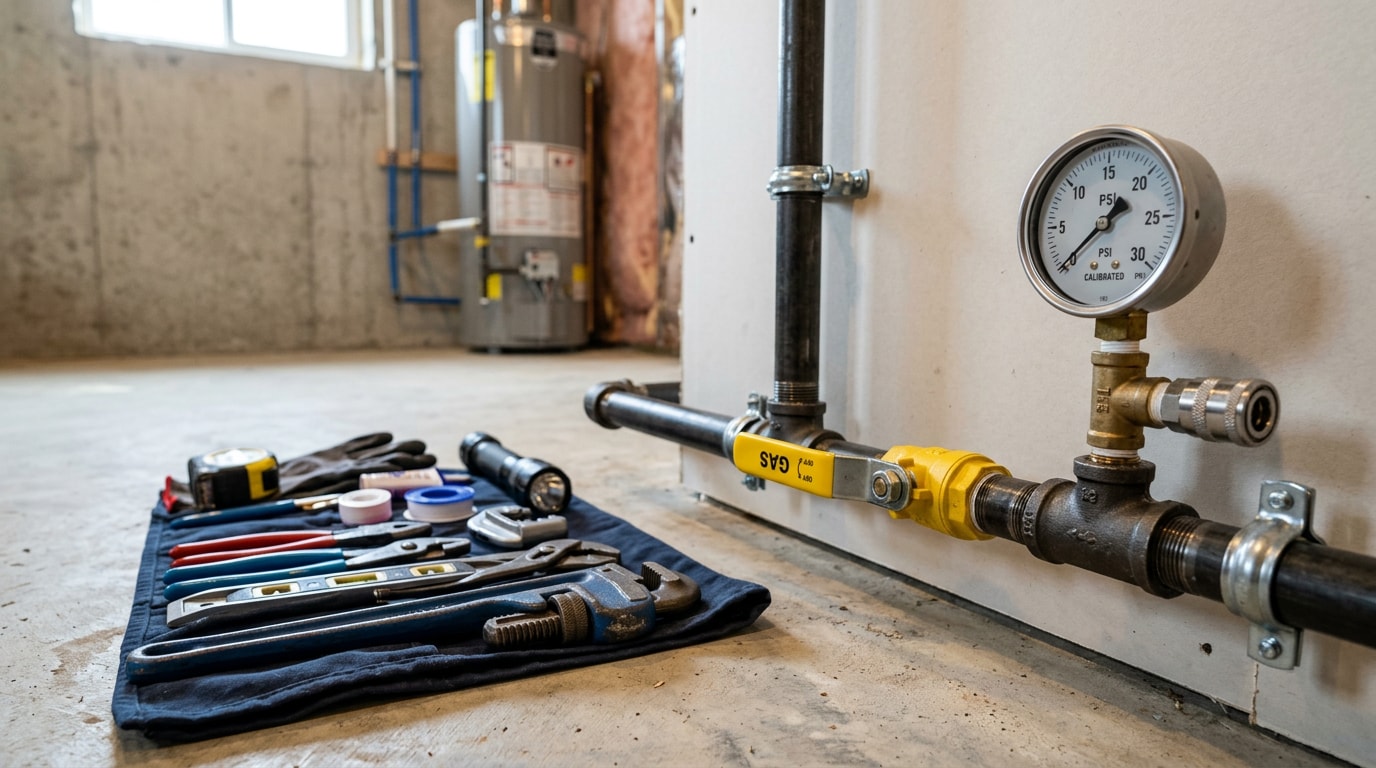
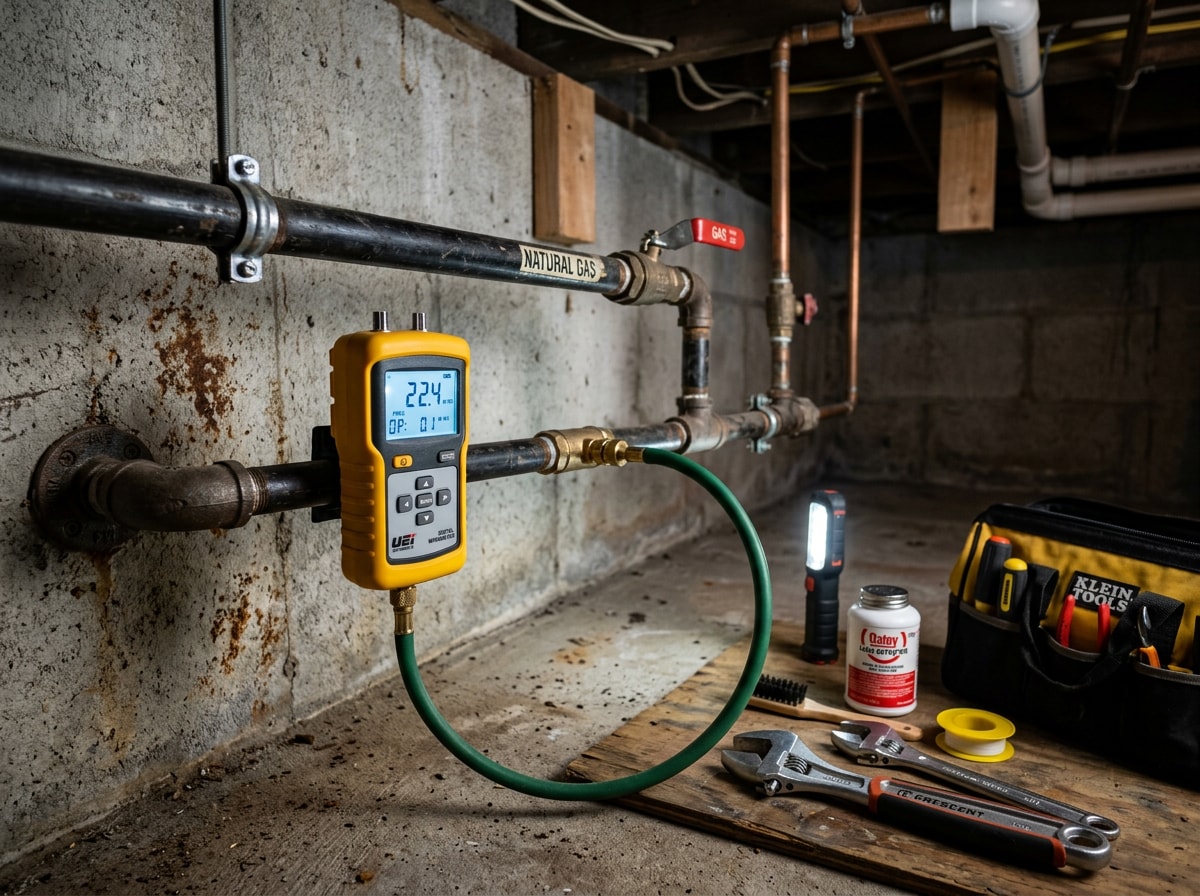
Professional leak detection relies on combustible gas detectors, pressure gauges, and sometimes soap-bubble testing to pinpoint a leak's exact location along buried or in-wall piping. That precision is nearly impossible to replicate by sight or smell alone, and a DIY attempt often means missing a slow leak entirely or disturbing a fitting and making it worse.
The stakes are real. An NFPA report found that natural gas ignites 4,200 home fires each year in the United States, and fire departments respond to an average of 125,000 residential natural gas or liquefied petroleum gas leaks annually, an increase of about 25 percent compared to 2007. That's why any suspected leak gets treated as an emergency, not a wait-and-see situation. If you smell gas right now, stop reading and call our emergency plumbing team or leave the house and call your gas utility first.
Gas Line Replacement & New Installation Services
Not every gas line problem can be patched. Once piping has widespread corrosion, joints keep failing, or a system wasn't sized for the appliances now connected to it, replacement is the safer long-term fix.
Gas Line Replacement & Re-Piping
A proper re-piping job corrects pipe sizing for current and future load, secures every connection to code, and finishes with a pressure test to confirm the entire line holds steady before it goes back into service. Skipping that final pressure test is one of the most common corners cut by unlicensed work, and it's the step homeowners can't verify just by looking at the finished pipe. Explore our gas line repair services for repair-first options before committing to a full replacement.
New Gas Line Installation for Appliances
New installation usually comes up when a homeowner adds or swaps a gas stove, dryer, furnace, fireplace insert, water heater, or outdoor grill hookup. Each needs its own correctly sized connection and an accessible shutoff valve installed nearby for safety. Once the line is run, a leak test happens before the appliance is ever turned on. See our gas line installation page for appliance-specific details, or check water heater installation if a new gas water heater is part of the project.
Preventive Gas Line Inspection & Testing
A routine inspection checks exposed piping for corrosion, tests fittings and the shutoff valve, inspects appliance connectors, and confirms the system holds stable pressure. Catching a hairline leak during a scheduled visit means fixing it on your timeline, not during a 2 a.m. emergency. Our plumbing inspection service covers this as part of a broader system check.
Does Your Gas Utility Require DOT-Certified Plumbers?
Here's something most local gas line pages don't mention: the plumber you hire for underground or outside gas line work in this area may need more than a standard plumbing license. Customers should ask if the individuals who will perform the necessary repairs have current DOT (Department of Transportation) Operator Qualifications acceptable to Columbia Gas. That requirement applies specifically to work on outside piping, not just interior appliance connections, and it's easy for homeowners to assume any licensed plumber can handle it.
Before hiring anyone for buried or exterior gas line work in Cranberry Township, ask directly whether their technicians carry current DOT qualifications. A reputable contractor will answer that question without hesitation.
Residential and Commercial Gas Line Repair in Cranberry Township
Residential gas line repair usually involves smaller-diameter piping and a handful of household appliances. Commercial gas line repair deals with larger systems, higher-capacity equipment, and more frequent inspection requirements tied to local fire and building codes. Both property types demand the same safety-first, code-compliant approach, because a leak doesn't care whether it's behind a kitchen stove or a restaurant range.
Homeowners can review our residential plumbing services, and property managers or business owners can request a commercial plumbing quote for gas-fired equipment.
Why Choose a Licensed Gas Line Plumber in Cranberry Township
Gas line work sits outside the usual homeowner DIY exemptions in Pennsylvania, and for good reason. An improperly sized pipe, a poorly sealed joint, or a skipped pressure test can lead to a leak, a fire, or carbon monoxide exposure that isn't obvious until it's dangerous.
Two separate rules apply here, and both matter:
| Requirement | What It Covers | Source |
|---|---|---|
| Building permit | Most alterations, repairs, or installations of gas piping regulated under the Uniform Construction Code | Pennsylvania Code |
| DOT Operator Qualification | Work on outside or underground gas lines for customers of certain PA gas utilities | Utility-specific requirement |
Pennsylvania's Uniform Construction Code requires an owner or authorized agent to apply to the building code official and obtain a permit before altering, repairing, or replacing any gas, mechanical, or plumbing system it regulates. Separately, the International Fuel Gas Code establishes minimum requirements for fuel gas systems and gas-fired appliances using prescriptive and performance-related provisions , and it's the code framework most Pennsylvania municipalities build their local gas rules around.
A code-compliant gas line isn't just a box to check. It's the difference between a system that's safe for decades and one that creates a hidden hazard behind your walls. When comparing quotes, ask to see a current license number, proof of insurance, and (for outside work) DOT qualification documentation before signing anything.
Gas Line Repair Near Me: How It Works
Getting a repair started is straightforward:
- Schedule a visit and describe what you're noticing: gas odor, weak flames, hissing, or an appliance that keeps shutting off.
- Diagnosis on-site using combustible gas detectors and pressure testing to find the exact source.
- Repair the issue, whether that's resealing a connection, replacing a fitting, or swapping a damaged section of pipe.
- Verify the fix with a final pressure or leak test before the job is called done.
Keeping a simple record of when symptoms started and which appliance is affected helps speed up diagnosis once a plumber arrives.
Areas We Serve Near Cranberry Township
Gas line plumbing services extend across Cranberry Township and the surrounding communities, including Mars, Wexford, Valencia, and Warrendale. If a kitchen plumbing project is also on your list, our write-up on garbage disposal plumbing in Wexford, PA covers a related job homeowners in this area often tackle at the same time as a gas line update.
Not sure your address is covered? Visit our homepage or browse the full list of plumbing services we offer locally.
Why Homeowners Trust Our Gas Line Work
Our gas line crews work daily across Butler and Allegheny County homes, from pressure-testing a decades-old steel line in an older Cranberry Township split-level to running a fresh appliance hookup in a new build off Route 19. That repetition is what catches the small stuff, like a shutoff valve that's "fine" until it isn't, before it becomes a safety call. If you want a straightforward assessment with no guesswork, get a free estimate and we'll walk the system with you before any work begins.
FAQ
Does Gas Line Installation Require a Permit in Pennsylvania?
Yes. Pennsylvania's Uniform Construction Code requires an owner or authorized agent to apply to the building code official and obtain a permit before installing, altering, or replacing a gas system it regulates. A licensed plumber typically pulls that permit as part of the job.
Does My Plumber Need DOT Certification for Outside Gas Line Work?
In many cases, yes. Customers should confirm the individuals performing the work carry current DOT Operator Qualifications acceptable to their gas utility. This applies to outside and underground piping specifically, not necessarily interior appliance connections. Ask your plumber directly before work begins.
Can I Install or Repair a Gas Line Myself?
No. Gas line work is generally excluded from homeowner DIY exemptions because of the fire, explosion, and carbon monoxide risks involved. It's not a safe or legal project to tackle without a license.
How Much Does Gas Line Repair or Installation Cost?
Costs vary based on the scope of work, pipe length and material, permit fees, and whether it's a repair or full replacement. A licensed plumber can give an accurate quote after an on-site assessment.
Who Should I Call for Gas Line Installation or Repair?
Always hire a licensed, insured plumber with specific gas line experience, not a general handyman or an HVAC-only contractor. Gas piping falls under plumbing code, not general home repair.
What Are the Warning Signs of a Gas Leak?
A rotten-egg smell, a hissing sound near piping or an appliance, dead vegetation near an outdoor line, or an unexplained spike in your gas bill are all signs worth having checked. If you smell gas strongly, leave the house and call your gas utility before calling anyone else.